

After years of supplying small outboard engines to both first-time boat owners and experienced anglers, one issue comes up more than any other.
Not power. Not fuel.
Noise.
Most people don’t think about it when buying an engine. They focus on horsepower, price, or brand. But after a few hours on the water, the constant sound and vibration become impossible to ignore.
I’ve had customers return after just one weekend saying:
“The engine runs fine, but it’s louder than I expected.”
That’s when the conversation changes.
Instead of asking for more power, they start looking for a quiet small outboard engine for sale that delivers smooth performance without the constant background noise.
And once they make that switch, the difference is immediate.
What Makes a Small Outboard Engine Quiet?
A quiet engine is not just about reducing sound—it’s about improving the entire operating experience.
Technically, engine noise comes from:
- Combustion cycles
- Mechanical movement
- Exhaust output
Modern engines reduce these through improved engineering. You can do some reading on how outboard engines work.
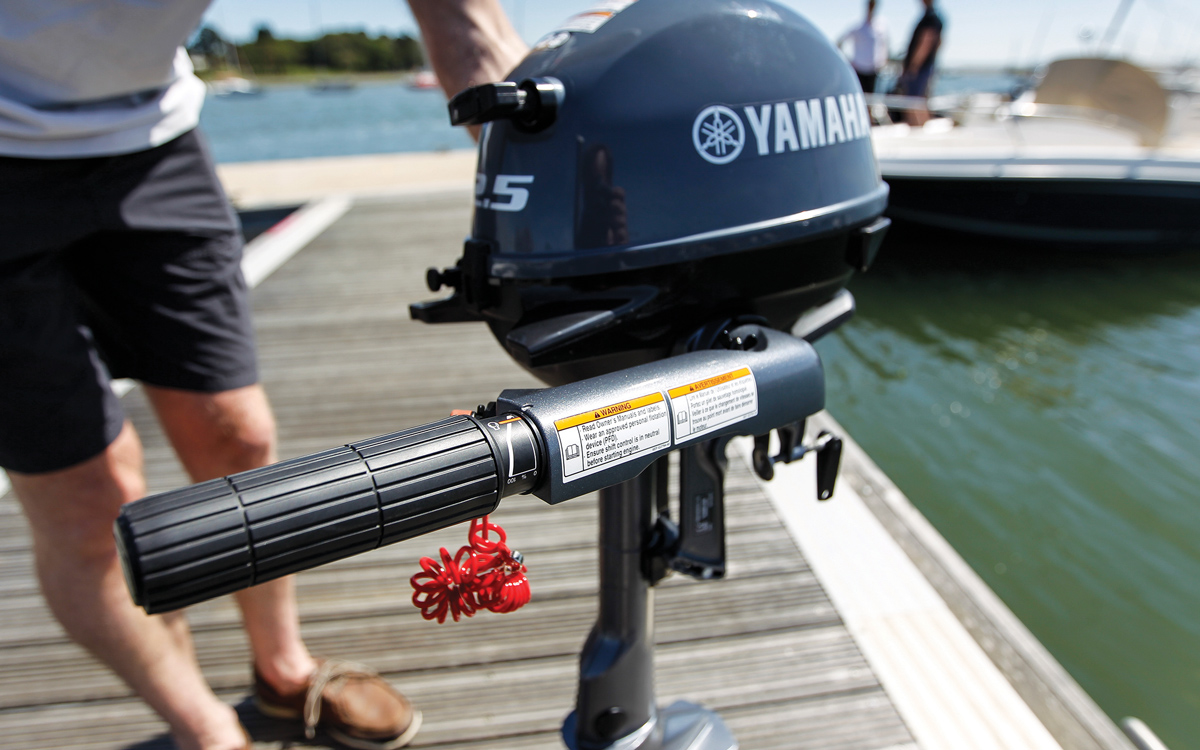
4-Stroke Engine Design
The biggest difference comes from 4-stroke technology.
Compared to older 2-stroke engines, 4-stroke engines:
- Operate with smoother combustion cycles
- Produce less vibration
- Run at more controlled RPM ranges
This results in significantly lower noise levels, especially at cruising speeds.
Advanced Engine Housing and Insulation
Manufacturers now design engine covers to:
- Absorb sound
- Reduce mechanical resonance
- Improve airflow without increasing noise
These changes are not cosmetic—they directly impact how the engine performs over time.
Balanced Power Delivery
Engines that produce consistent torque at lower RPMs tend to operate more quietly.
This is why many buyers searching for a quiet small outboard engine for sale end up choosing models designed for steady, efficient power rather than peak speed.
Why a Quiet Engine Matters More Than Most Buyers Expect
Noise is not just about comfort—it affects how the boat performs and how you experience it.
Reduced Fatigue During Long Trips
Continuous engine noise creates physical fatigue over time.
A quieter engine allows:
- Longer trips
- Better focus
- Less strain
Better Fishing Conditions
From practical experience, quieter engines create less disturbance in the water.
For anglers, this can mean:
- Less disruption to fish
- More controlled movement
- A calmer environment overall
Improved Mechanical Efficiency
Engines that run quietly are often operating more efficiently.
Less vibration and smoother combustion cycles result in:
- Lower fuel consumption
- Reduced internal wear
- More consistent performance
Key Benefits of a Quiet Small Outboard Engine for Sale
Smooth, Controlled Operation
A quiet engine delivers steady performance without sudden spikes in RPM or vibration.
Lower Fuel Consumption Over Time
Efficient engines burn fuel more evenly, especially during extended use. Read more on how to improve fuel efficiency in marine engines.
Longer Engine Lifespan
Reduced vibration leads to less stress on internal components.
Compact and Practical Design
Small outboard engines are ideal for:
- Dinghies
- Small fishing boats
- Support vessels
Modern designs allow these engines to remain lightweight without sacrificing performance.
Better Overall User Experience
This is the biggest benefit.
Once noise is reduced, everything else becomes more enjoyable—from navigation to conversation.
When You Should Upgrade Your Engine
From a technical and practical standpoint, these are clear indicators:
- The engine produces excessive noise at moderate speeds
- Vibration is noticeable through the hull
- Fuel usage is higher than expected
- Performance feels inconsistent
In many cases, these are signs of outdated engine design rather than mechanical failure.
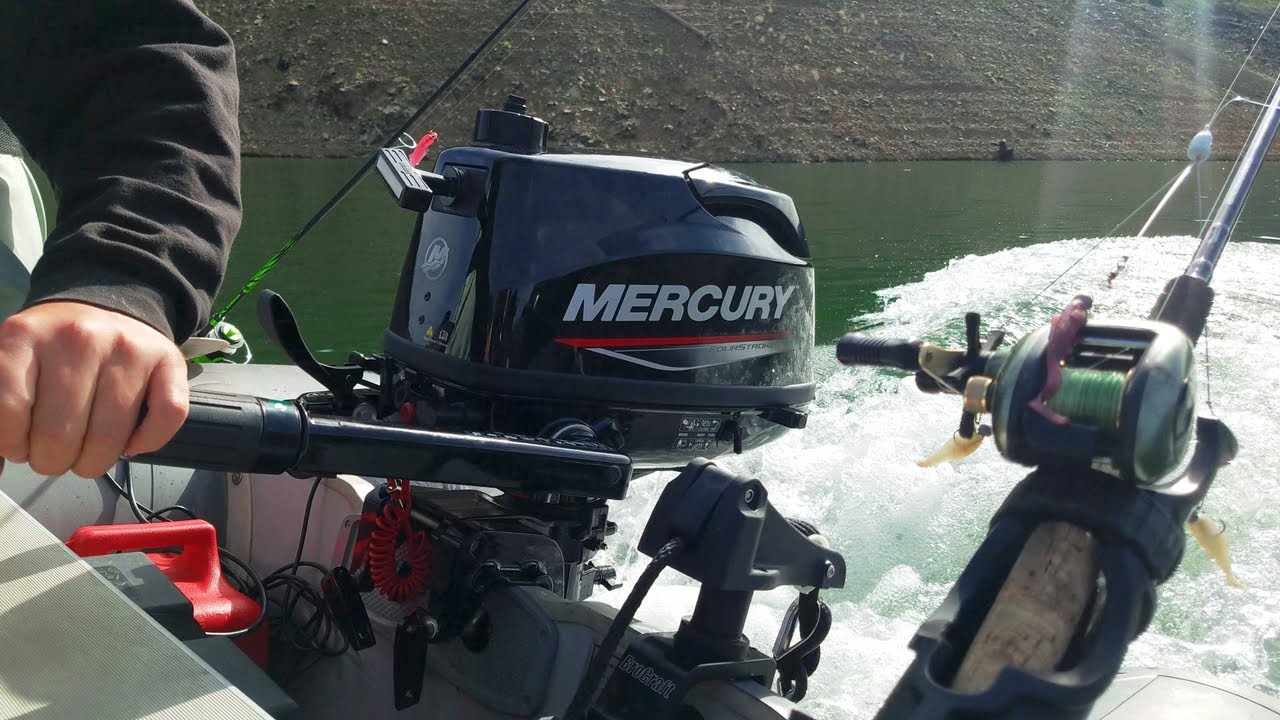
Top Picks – Quiet Small Outboard Engines for Sale
Based on consistent performance and customer feedback, the following brands stand out:
Yamaha Portable 4-Stroke Engines
- Known for quiet operation
- Stable performance across RPM ranges
- Strong reliability record
Mercury Small Outboards
- Smooth acceleration
- Easy handling
- Consistent output under load
Tohatsu Lightweight Engines
- Efficient fuel consumption
- Low noise output
- Durable construction
At Power Engine Market, these models are frequently recommended because they perform reliably in real-world conditions, not just in specifications.
How to Choose the Right Quiet Small Outboard Engine
Choosing the right engine requires more than comparing prices.
1. Match Engine Size to Boat Weight
Undersized engines struggle. Oversized engines waste fuel and increase noise.
2. Consider Operating Conditions
- Calm inland waters → moderate power
- Coastal or rough conditions → higher torque requirement
3. Evaluate Noise Performance
Look for:
- 4-stroke models
- Manufacturer noise ratings
- Real-world reviews
4. Prioritize Efficiency Over Peak Output
Engines that operate efficiently at cruising speeds tend to be quieter and more reliable.
5. Think Long-Term
Fuel costs, maintenance, and durability all matter more than the initial purchase price.
Cost of a Quiet Small Outboard Engine for Sale
Pricing depends on:
- Brand
- Power output
- Build quality
Typical ranges:
- Entry-level: $800 – $2,000
- Mid-range: $2,000 – $5,000
From experience, investing in a well-built engine often reduces long-term costs through better efficiency and fewer repairs.
Why Buyers Choose Power Engine Market
Customers come to Power Engine Market because we focus on real performance, not just product listings.
We work directly with:
- Boat owners
- Fishing professionals
- Marine technicians
This allows us to:
- Recommend engines based on actual use cases
- Provide guidance beyond specifications
- Ensure compatibility and performance
Every engine we offer is selected with practical application in mind.
Maintenance Practices That Keep Engines Quiet
Routine Servicing
Regular maintenance ensures consistent operation and prevents noise increase over time.
Fuel Quality
Using the correct fuel reduces combustion noise and improves efficiency.
Component Inspection
Checking propellers, mounts, and connections helps prevent unnecessary vibration.
Early Issue Detection
An increase in noise is often the first sign of a developing issue.
Addressing it early prevents costly repairs.
Common Buyer Mistakes
From industry experience, the most common mistakes include:
- Choosing based only on price
- Ignoring engine noise levels
- Selecting incorrect engine size
- Skipping professional advice
Avoiding these mistakes leads to better long-term results and fewer performance issues.

Frequently Asked Questions
Are quiet engines less powerful?
No. Modern engines are designed to deliver both performance and low noise.
Is a 4-stroke always quieter?
In most cases, yes. They are designed for smoother operation.
Can I make my current engine quieter?
Maintenance can help, but upgrading is often the most effective solution.
What should I prioritize when buying?
Efficiency, compatibility, and noise level should come before maximum horsepower.
Conclusion: A Smarter Way to Upgrade Your Boat
Choosing the right engine is not just about power.
It’s about how the engine performs in real conditions.
A properly selected quiet small outboard engine for sale provides:
- Smooth operation
- Reduced noise
- Improved efficiency
For most boat owners, this upgrade transforms the entire experience on the water.
Ready to Upgrade?
Explore reliable options at Power Engine Market and find a quiet small outboard engine that fits your needs and delivers consistent performance where it matters most.
Next Post: High Torque Outboard Engine for Fishing Boat – The #1 Power Upgrade Every Angler Needs

