

After years of advising yacht owners, installers, and fleet operators on marine power systems, one truth has proven consistent:
When a yacht generator becomes a problem, it’s rarely because it “failed.”
It’s because it was chosen incorrectly from the start.
Most of the late-night calls we receive don’t begin with anger. They begin with confusion:
“On paper, this generator should have been quiet.”
And they’re right — on paper.
This guide exists because silence on a yacht isn’t a feature you buy.
It’s the result of correct technical decisions made before purchase, especially when selecting a quiet marine generator CE certified for sale.
What “Quiet” Actually Means in Real Yacht Conditions
From a vendor’s perspective, the word quiet causes more misunderstanding than any other term in marine power.
Manufacturers publish decibel numbers. Sellers repeat them. Buyers trust them.
But real yacht noise is not measured in controlled environments — it’s experienced:
- At anchor
- Under full AC load
- During compressor cycling
- Through hull structure, not open air
Over the years, we’ve seen generators with impressive noise ratings perform poorly once installed simply because noise transmission and load behavior were never considered. Read on how yacht generators transmit noise and vibration.
That’s why experienced yacht owners don’t ask:
“Is it quiet?”
They ask:
“Why does it stay quiet when my AC cycles at night?”
The Most Common Noise Complaints We See (And Why They Happen)
Across installations, brands, and yacht sizes, the complaints are remarkably consistent:
- Low-frequency vibration felt through floors
- Generator tone changing under AC startup
- Nighttime exhaust resonance
- Noise that increases after months of use
These are not defects. They are predictable outcomes of:
- High-RPM engines
- Poor vibration isolation
- Weak enclosure engineering
- Inadequate load stability
A properly selected quiet marine generator CE certified for sale avoids these issues by design — not by chance.
Why CE Certification Is a Trust Issue, Not a Formality
CE certification is often misunderstood, and in our experience, it’s where trust is either built or broken.
A properly CE-certified marine generator confirms:
- Electrical safety compliance
- Electromagnetic compatibility
- Noise and emissions conformity
- Documented traceability
We have personally seen:
- Port delays
- Failed inspections
- Insurance complications
- Reduced resale value
—all because a generator was marketed as “CE-equivalent” instead of verifiably CE certified.
A serious vendor never treats CE compliance as optional.
Neither should a serious buyer. Learn more about CE conformity and electrical safety standards.
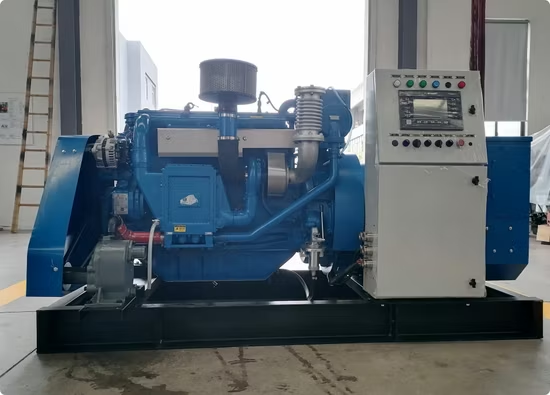
The Smart Buyer’s Checklist (Built From Real Outcomes)
This checklist exists because we’ve seen what happens when each item is ignored.
1. Noise Ratings Under Real Load
Quiet generators are not quiet at idle — they are quiet while AC compressors cycle.
If a vendor cannot explain noise behavior under load, that silence will not last.
2. Verifiable CE Certification
Real documentation.
Real conformity.
No vague language.
This protects your yacht during inspections, resale, and cross-border operations.
3. Engine RPM and Long-Term Noise Stability
Lower-RPM generators typically:
- Vibrate less
- Age more quietly
- Maintain stable acoustic profiles
This is why experienced buyers prioritize operating characteristics, not branding.
4. Acoustic Enclosure Engineering
True silence comes from:
- Multi-layer insulation
- Balanced airflow paths
- Sealed but serviceable housings
Poor enclosures either leak noise or trap heat — both shorten lifespan.
5. Vibration Isolation Design
Noise travels mechanically as much as acoustically.
Isolation mounts, frame design, and hull interfaces determine whether a generator is “heard” or “forgotten.”
6. Cooling System Noise
Fans, pumps, and airflow create sound.
Quiet generators manage thermal demands without introducing secondary noise sources.
7. Load Stability With Yacht AC Systems
Generators that hunt, fluctuate, or struggle with AC startup will always sound louder — even at the same decibel level.
Stability equals silence.
Why RPM Matters More Than Brand Reputation
One uncomfortable truth in this industry:
A technically well-designed generator from a lesser-known manufacturer can outperform a premium brand unit acoustically if RPM, load curve, and isolation are superior.
Noise is physics, not marketing.
That’s why experienced yacht owners buy behavior, not labels.
Installation: Where Silence Is Either Preserved or Destroyed
We’ve seen excellent generators ruined by poor installation choices:
- Rigid hull mounting
- Poor exhaust routing
- Insufficient airflow planning
- Electrical grounding errors
This is why generator selection and installation planning are inseparable.
Even the best quiet marine generator CE certified for sale cannot compensate for careless installation.
Silence at Anchor Is the Only Metric That Matters
No owner complains while cruising.
Noise complaints happen:
- At anchor
- Late at night
- When guests expect comfort
Experienced buyers evaluate generators for anchor conditions first, because that’s when power systems are truly tested.
Why Diesel Remains the Foundation for Silent Yacht Power
Despite new technologies, diesel remains dominant because it offers:
- High torque at low RPM
- Predictable load handling
- Stable long-term acoustic behavior
- Proven continuous-duty performance
For buyers seeking dependable silence, diesel remains the most reliable platform for a quiet marine generator CE certified for sale. looking for diesel marine generators designed for silent yacht operation?
Asking yourself why diesel generators are preferred for continuous marine duty.
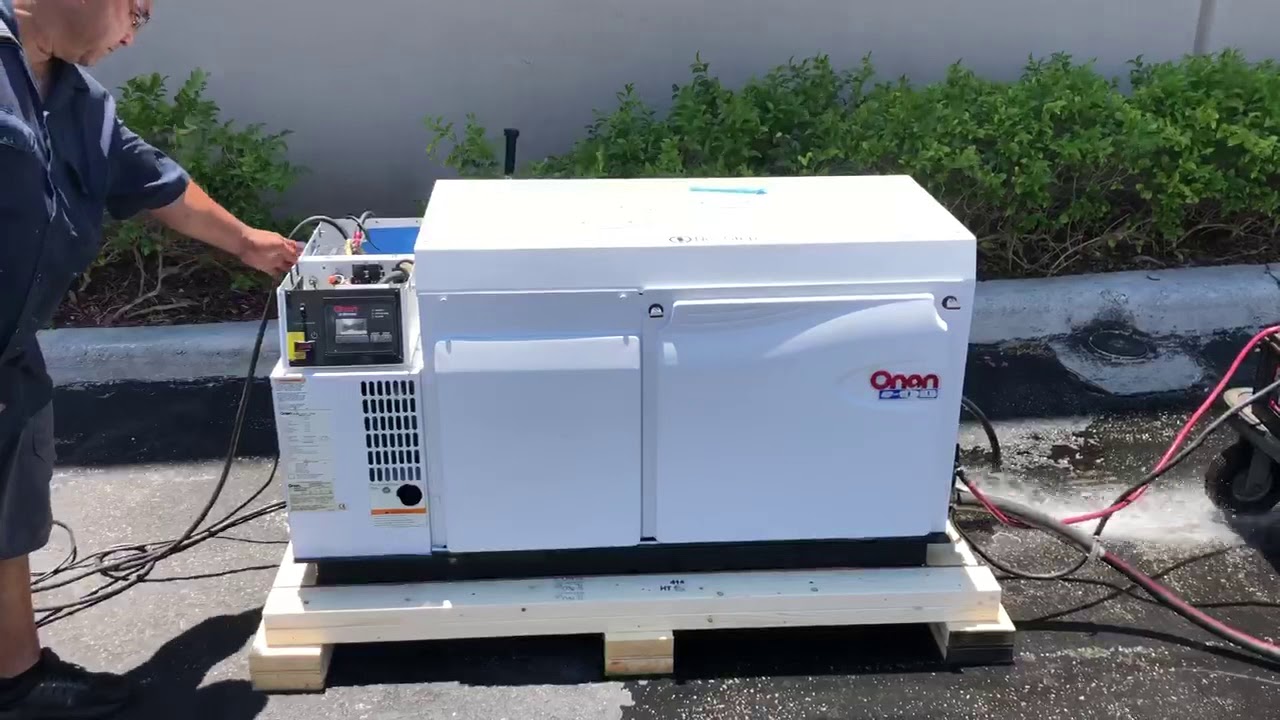
Cost vs Silence: What Buyers Are Actually Paying For
Quiet generators cost more because they include:
- Better materials
- Superior engineering
- Improved isolation
- Longer service life
Cheap generators rarely stay quiet.
Well-engineered systems do.
Over time, the cost difference is recovered through:
- Comfort
- Fewer complaints
- Reduced retrofits
- Higher resale value
How Power Engine Market Approaches Generator Recommendations
We don’t begin with inventory.
We begin with understanding:
- Yacht layout
- AC configuration
- Usage patterns
- Noise expectations
- Compliance needs
We regularly advise against purchases when a generator isn’t the right fit — because long-term trust matters more than short-term sales.
That approach is why experienced buyers return and why their systems continue to perform years later. Explore our marine power solutions, you can contact us for more details about Power engine Market.
FAQs About Quiet Marine Generators CE Certified for Sale
How quiet is a “quiet” marine generator?
Quiet is about perception, not just decibels. Stability, vibration control, and enclosure design matter just as much.
Does CE certification guarantee low noise?
CE certification ensures compliance and safety. Quiet operation still depends on engineering and proper selection.
Can an existing generator be made quieter?
Sometimes—through mounts, exhaust changes, or insulation—but there are limits.
How long can a quiet marine generator run continuously?
Quality marine diesel generators are designed for long continuous operation under proper load.
Is a quiet generator always more expensive?
Not always—but truly quiet, reliable systems are rarely the cheapest option.
Final Vendor Perspective
Every dissatisfied owner says:
“I didn’t realize it would matter this much.”
Every satisfied owner says:
“I’m glad I planned it properly.”
Silent yacht power is not luck.
It’s engineering, compliance, and experience working together.
If you’re evaluating a quiet marine generator CE certified for sale, trust decisions grounded in real outcomes — not promises.
That’s how experienced yacht owners get it right the first time.


