

Looking for a Cummins QSB6.7 550hp marine diesel engine for sale? Whether you’re replacing an aging engine, planning a boat repower, or sourcing a marine diesel engine for a new project, you want to make a decision you can feel confident about.
And here’s the thing: choosing a marine engine isn’t just about finding the highest horsepower or the lowest advertised price. The engine needs to match your vessel, work with the propulsion system, suit your operating requirements, and fit within your overall project budget.
The Cummins QSB6.7 is a 6.7-liter, inline six-cylinder diesel engine family designed for marine propulsion and related applications. Its features include turbocharging, aftercooling, and a high-pressure common-rail fuel system. Cummins publishes a recreational marine rating of 550 MHP at 3,300 RPM, equivalent to approximately 542 BHP in its rating table. Other ratings and configurations are available, so identifying the exact engine is essential before purchasing.
At Power Engine Market (PEM), our goal is to help buyers understand what to check when sourcing a marine engine. This guide explains the QSB6.7’s published specifications, rating terminology, installation requirements, buying considerations, pricing factors, and shipping questions.
If you’re searching for a Cummins QSB6.7 550hp marine diesel engine for sale, let’s look at the details that can help you make a more informed decision.
What Is the Cummins QSB6.7 550HP Marine Diesel Engine?
The Cummins QSB6.7 is a turbocharged and aftercooled, six-cylinder, four-stroke diesel engine. It uses a high-pressure common-rail fuel system and is offered in different configurations for marine applications.
The Cummins QSB6.7 is a 6.7-liter inline-six marine diesel engine family designed for marine propulsion applications, with multiple power ratings and configurations. Buyers should consult the official Cummins QSB6.7/QSB7 marine engine specifications to verify the rating and configuration relevant to their vessel.
For buyers, the most important point is that QSB6.7 identifies an engine family rather than one universal specification. Engine ratings, application classifications, accessories, and installation arrangements can differ.
That distinction matters when comparing listings. Two sellers might advertise a Cummins QSB6.7 while offering engines with different ratings, configurations, conditions, or included equipment.
Before you compare prices, ask for the exact model designation and engine serial number. These details help you verify what is actually being offered.
What Does the 550HP Rating Mean?
Cummins lists a recreational marine propulsion rating of 550 MHP at 3,300 RPM for the QSB6.7. Its published table shows approximately 542 BHP for this rating. You can verify these figures in the official Cummins QSB6.7/QSB7 marine specifications.
Why does this matter?
MHP and BHP are different horsepower units. A listing using the phrase “550HP” may be describing the engine informally, while the manufacturer’s documentation identifies the rating more precisely.
For that reason, the keyword Cummins QSB6.7 550hp marine diesel engine for sale is useful for finding the product, but it should not replace verification of the actual manufacturer rating.
Before purchasing, confirm the engine model, rated output, rated RPM, and intended application.
Who Might Consider the QSB6.7?
Depending on the specific configuration and approved application, the QSB6.7 family may be relevant to:
- Recreational boats and cruising vessels.
- Eligible marine repowering projects.
- Selected fishing and working vessels.
- Other approved marine propulsion applications.
However, the 550 MHP recreational rating should not automatically be assumed suitable for every commercial vessel. Commercial buyers need to establish which rating and duty classification match their operating conditions.
Cummins QSB6.7 550HP Marine Engine Specifications
Understanding the specifications is one of the first steps when evaluating a Cummins QSB6.7 550hp marine engine for sale.
The dimensions, weight, and output figures below should be treated as configuration-specific reference values rather than universal specifications for every engine. For additional verification, consult the Cummins QSB6.7 recreational marine specification sheet and confirm that the document matches the engine rating being considered.
The table below summarizes general specifications published by Cummins for the QSB6.7/QSB7 marine engine family. The exact dimensions and weight can vary by configuration, so use the figures as a starting point rather than final installation approval.
| Specification | Published information |
|---|---|
| Engine configuration | Inline six-cylinder, four-stroke diesel |
| Displacement | 6.7 liters (408 cubic inches) |
| Aspiration | Turbocharged and aftercooled |
| Fuel system | High-pressure common rail |
| Bore and stroke | 107 × 124 mm (4.21 × 4.88 inches) |
| Recreational rating | 550 MHP |
| Rated engine speed at 550 MHP | 3,300 RPM |
| Corresponding published output | Approximately 542 BHP / 405 kW |
| Overall length | Approximately 49.76 inches |
| Overall width | Approximately 35.85 inches |
| Overall height | Approximately 33.74 inches |
| Published weight | Approximately 1,450 pounds |

Why Engine Dimensions Matter
Imagine finding an engine that matches your desired power rating and fits your budget. You might think the difficult part is over.
But before ordering, you still need to establish whether it will fit the available engine compartment and whether there is enough space to service it properly.
The overall dimensions are only part of the picture. The installation also needs room for the transmission, mounts, hoses, filters, wiring, exhaust connections, and access for routine maintenance.
If you’re researching Cummins QSB6.7 marine engine dimensions, request the technical drawing for the exact configuration being quoted. Published family dimensions can help with preliminary planning, but they do not confirm that a specific unit will fit your boat.
Weight matters too. The vessel’s mounting arrangement and supporting structure must be suitable for the engine and associated equipment.
Understanding Recreational and Commercial Ratings
Horsepower is important, but the intended duty rating matters just as much.
A recreational vessel used for occasional trips may have a different operating profile from a commercial boat that works for extended periods under load. Cummins publishes different recreational, commercial, and light-duty marine ratings for the QSB6.7 family.
Do not assume that the 550 MHP recreational configuration is automatically the right choice for continuous commercial operation. Confirm the exact model and duty classification against the manufacturer’s documentation and the vessel’s requirements.
The best engine is the one suited to your application, not simply the one with the largest number in the listing.
Cummins QSB6.7 Performance and Fuel Consumption
An engine’s rated output tells you something important, but it doesn’t tell the whole story about how a boat will perform.
Vessel weight, hull design, loading, gearbox ratio, propeller selection, sea conditions, and engine condition all influence performance. Two boats with the same engine can produce different results because their installations and operating conditions are different.
What Affects Real-World Performance?
Start with the boat itself.
A vessel designed for one operating speed may behave differently from a heavier boat carrying a larger payload. The engine must be matched to the vessel’s requirements, and the transmission and propeller must work with the selected rating.
When evaluating a 550hp marine diesel engine for sale, provide the supplier or marine technician with your boat’s make and model, current engine specifications, transmission details, and intended use.
These details help establish whether the proposed engine is worth considering for your project.
What About Fuel Consumption?
Fuel consumption is an important consideration for owners who spend substantial time on the water.
However, there is no single consumption figure that applies to every QSB6.7 installation. Fuel use depends on engine load, operating speed, vessel design, propeller matching, sea conditions, and the engine’s condition.
If you’re comparing Cummins QSB6.7 marine engine fuel consumption, look for manufacturer-published data for the exact rating and clarify whether the figure represents rated-speed consumption or another test condition.
Avoid treating a rated-speed figure as the amount the engine will consume throughout a typical trip. Actual use changes with operating conditions.
Why Propeller Matching Matters
Your engine, gearbox, shaft, and propeller operate as a connected system.
An unsuitable propeller arrangement can prevent the engine from reaching its specified operating range or place excessive load on the drivetrain. A qualified marine technician should evaluate the complete propulsion arrangement rather than assuming the existing propeller will work with a replacement engine.
This is especially important during repowering, when the replacement engine may differ from the original in rating or configuration.
Is the Cummins QSB6.7 550HP Right for Your Boat?
Before choosing a Cummins QSB6.7 marine engine for boat repower, consider how you use the vessel and what the installation requires.
Recreational Boats and Cruisers
For recreational owners, priorities may include cruising performance, responsive propulsion, manageable servicing, and dependable operation.
The appropriate engine depends on the vessel’s design, approved power range, weight, and propulsion arrangement. You should also consider whether the engine compartment allows adequate access for maintenance.
A higher advertised horsepower figure doesn’t automatically make an engine a better choice. It must suit the boat’s design and intended use.
Fishing and Commercial Vessels
Commercial operators may have additional concerns, including operating hours, payload, downtime, and maintenance planning.
If your vessel operates for long periods under load, explain that operating profile when requesting an engine quotation. Confirm that the specific engine rating is suitable for the intended duty.
This is where the distinction between recreational and commercial ratings becomes particularly important. The engine family name alone does not establish that a particular rating is appropriate for every working vessel.
Marine Repowering Projects
Repowering involves replacing an existing engine while retaining some or all of the boat’s current systems.
It can be a practical option when an existing engine needs replacement, but the project may require changes to mounts, cooling, exhaust, controls, wiring, or the drivetrain.
Consider a common planning scenario: a buyer finds an engine with the desired advertised horsepower and a competitive price. A subsequent fitment assessment identifies a different gearbox arrangement or mounting requirement. The engine may still be suitable, but the total project cost is now different from the initial purchase price.
This is why experienced buyers assess the complete installation before committing. A qualified marine technician can help identify likely modifications and establish a more realistic budget.
Cummins QSB6.7 Marine Gearbox Compatibility and Fitment
A suitable engine must work with the vessel’s propulsion system. When researching Cummins QSB6.7 marine gearbox compatibility, do not focus only on whether a transmission physically attaches to the engine.
Check the Engine Compartment
Measure the available space and compare it with the technical drawing for the exact engine configuration.
Account for the engine, transmission, mounts, hoses, filters, wiring, exhaust connections, and the space needed for routine maintenance or future removal.
If you’re replacing an existing engine, compare the proposed installation with the current arrangement. Identify which components can be reused and which need professional assessment.
Verify the Transmission
Before reusing an existing gearbox, confirm:
- The transmission model and identification details.
- Its approved power and torque capacity.
- Gear ratio and operating-speed requirements.
- Rotation and mounting arrangements.
- Coupling and shaft compatibility.
- Any manufacturer restrictions on the proposed combination.
A transmission should not be selected simply because it physically connects to the engine. Its rating and configuration must be appropriate for the installation.
Provide the gearbox identification details to your supplier and marine technician before finalizing the engine purchase.
Review Cooling, Exhaust, Fuel, and Electrical Systems
The engine is only one part of the installation.
Cooling arrangements, fuel supply, exhaust routing, electrical connections, engine controls, and monitoring instruments all need to be considered. Depending on the replacement configuration, some components may be reusable while others require modification or replacement.
Do not assume that an older boat’s electrical or control systems will automatically work with the replacement engine.
Confirm Shaft Alignment and Propeller Requirements
For shaft-driven vessels, correct engine and transmission alignment helps reduce vibration and avoid unnecessary mechanical stress.
The shaft, coupling, gearbox, and propeller arrangement should be assessed as a system. A qualified marine professional can help verify the installation requirements before the boat returns to service.
These checks can help identify potential problems before they become costly repairs or delays.
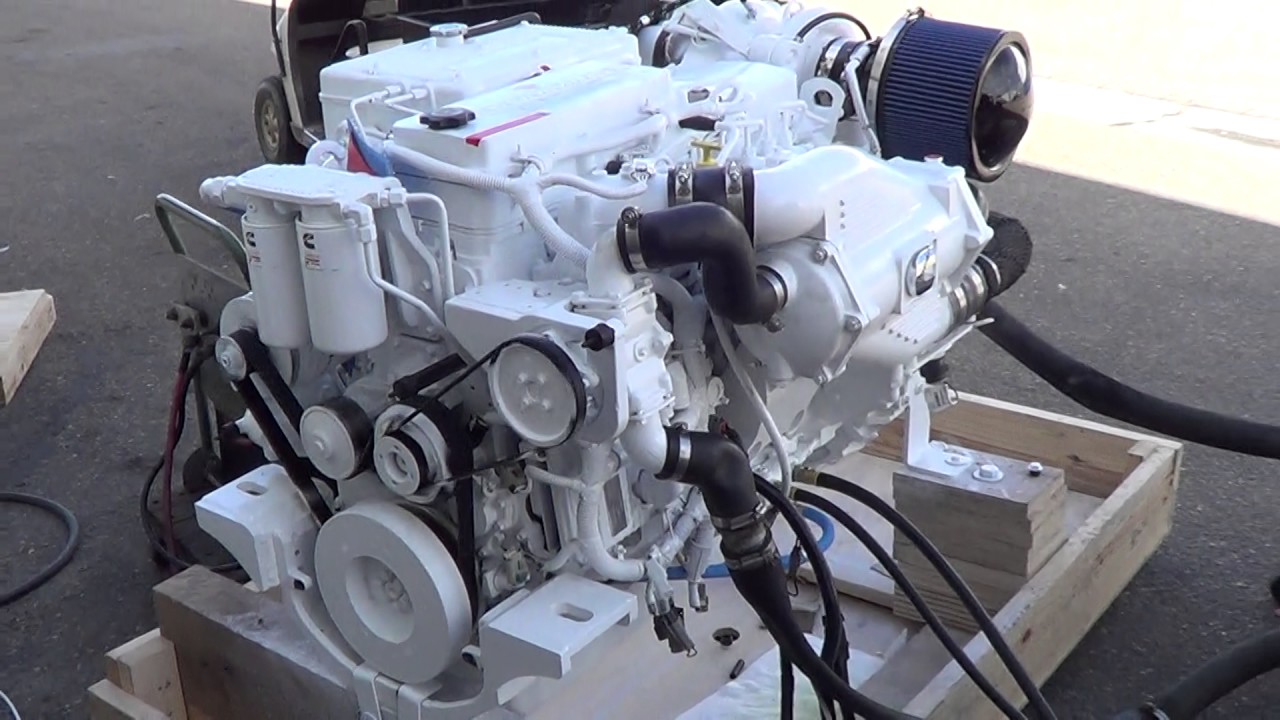
Buying a New or Used Cummins QSB6.7 Marine Diesel Engine
The choice between a new and used engine depends on your budget, project timeline, and the condition and documentation of the particular unit.
What to Verify When Buying New
When considering a new Cummins QSB6.7 550hp marine diesel engine for sale, confirm the exact model, rating, condition, and components included in the offer.
Ask whether the quotation includes the gearbox, controls, wiring, instrumentation, mounting hardware, or other accessories. Do not assume that an engine is supplied as a complete ready-to-install package unless the offer clearly states that.
Confirm the applicable warranty terms, availability, expected dispatch timeframe, and shipping arrangements for the specific unit.
What to Check When Buying Used
A Cummins QSB6.7 used marine diesel engine may be worth considering when comparing budget-conscious options. However, the decision should be based on documented condition and suitability rather than appearance alone.
Ask for the engine serial number, service records, available operating-hour information, and details of previous repairs or rebuilds. Find out whether inspection or diagnostic reports are available and whether the engine has been stored for an extended period.
Where possible, arrange an inspection by a qualified marine diesel technician. Depending on the engine’s condition, this may include checking for visible damage, leaks, corrosion, fluid condition, diagnostic information, and other appropriate mechanical indicators.
A clean exterior or brief start-up cannot establish the full condition of a used engine. Inspection methods should be appropriate to the unit and the risks involved.
Questions to Ask Before Purchasing
Before committing to a purchase, ask:
- What is the exact model designation and serial number?
- What are the manufacturer’s rated output and engine speed?
- Is the engine new, used, rebuilt, or remanufactured?
- Which components and accessories are included?
- Are service records or inspection reports available?
- What warranty terms apply, if any?
- What are the confirmed engine price and shipping costs?
- What are the estimated dispatch and transit times?
- What is the process if the delivered engine does not match the agreed description?
Clear answers make it easier to compare offers and understand what you’re buying.
Cummins QSB6.7 550HP Marine Engine Price: What Determines the Cost?
The Cummins QSB6.7 550 marine diesel engine price depends on the specific engine and the terms of the offer. Condition, rating, configuration, included equipment, and supply arrangements can all influence the final cost.
A used engine isn’t directly comparable to a new engine supplied with different accessories or warranty terms. Before choosing the lowest advertised price, compare what each offer actually includes.
Engine Condition and Configuration
New, used, rebuilt, and remanufactured engines may have different price structures. The precise rating and configuration also matter.
Verify the engine’s model and condition before deciding whether an offer represents good value. A lower purchase price may be offset by repairs, missing components, or extensive installation work.
Accessories and Installation
Check whether the quotation includes the transmission, controls, wiring, instrumentation, mounts, and other required components.
Installation costs may include labor, lifting equipment, shaft alignment, cooling and exhaust modifications, and commissioning. The actual requirements depend on the vessel and existing installation, so obtain a project-specific estimate.
Shipping and Handling
Marine engines are heavy and valuable, and freight arrangements can have a significant effect on the total project cost.
The Cummins QSB6.7 marine engine shipping cost may depend on the shipment’s origin, destination, weight, dimensions, packaging, carrier, and delivery requirements.
Ask for a written quotation that identifies:
- Engine price.
- Shipping fee.
- Shipping method.
- Estimated dispatch timeframe.
- Estimated transit time.
- Applicable destination charges, duties, or taxes where relevant.
If any amount or timeframe remains unconfirmed, treat it as pending rather than assuming it is included or guaranteed.
Compare the Total Project Cost
Your budget should account for the engine, accessories, freight, installation, commissioning, and any required vessel modifications.
Consider routine maintenance and the availability of technical support as well.
A lower engine price does not necessarily mean a lower total cost. At the same time, a higher price does not guarantee better condition or compatibility. Compare the documentation, included equipment, and written terms behind each offer.
Shipping a Cummins QSB6.7 Marine Diesel Engine
If you’re purchasing an engine from another state or country, establish the shipping arrangements before payment.
Provide the supplier with your delivery destination and explain any receiving limitations. Delivery may need to be arranged for a commercial address, freight terminal, port, or another agreed location. Confirm whether suitable unloading equipment will be available.
Depending on the destination, the shipment may involve customs documentation, duties, taxes, or other import requirements.
Confirm the Delivery Timeline
A useful shipping estimate distinguishes between preparation time, dispatch, and transit.
An engine that is ready to ship may have a different timeline from one that requires inspection, preparation, or sourcing. Transit time also depends on the selected shipping method and route.
Before ordering, ask for the shipping method, freight cost, estimated dispatch timeframe, and estimated transit time in writing.
Prepare for Delivery
Before dispatch, confirm the delivery address, packaging arrangements, receiving requirements, and accompanying documentation.
It is also sensible to clarify the process for reporting transit damage or discrepancies between the delivered engine and the agreed description.
These checks establish expectations before the shipment is on its way.
Maintenance and Long-Term Ownership Considerations
Buying the engine is only the beginning. Before choosing a Cummins QSB6.7 550hp marine diesel engine for sale, consider whether appropriate maintenance information, service parts, and technical support will be available for your location and configuration.
Cummins identifies a global service network as part of its support offering. However, availability of particular services and parts depends on location and engine configuration. Check the options relevant to where your vessel will operate.
Follow the Correct Service Schedule
Use the maintenance instructions applicable to the exact engine model and rating. Requirements may include engine oil and filter service, fuel filtration, cooling-system checks, belts, hoses, and other model-specific items.
Service intervals depend on the manufacturer’s instructions and operating conditions. Do not rely on a generic maintenance schedule without checking the documentation for your engine.
Keep records of servicing, repairs, inspections, and parts replaced. These records help technicians understand the engine’s history and may be useful if you sell it later.
Watch for Changes in Operation
Pay attention to the engine’s specified operating indicators and warnings. Changes in starting behavior, temperature, oil pressure, vibration, exhaust appearance, or performance may require investigation.
If an abnormal condition occurs, follow the applicable operating instructions and consult a qualified technician rather than assuming continued operation will resolve the problem.
Consider Parts and Service Access
If your boat operates far from major service centers, investigate how you would obtain routine service parts and technical assistance for the exact model.
A suitable engine is one that meets your vessel’s requirements and can be maintained appropriately—not simply one that fits into the available space.
Why Consider Power Engine Market for Your Marine Engine Purchase?
Power Engine Market helps buyers explore engine purchasing options for their projects. If you’re researching a Cummins QSB6.7 550HP marine diesel engine for sale, start by defining your vessel’s requirements and identifying the configuration you need.
When contacting Power Engine Market, share whether you’re replacing an existing engine, planning a repower, or sourcing an engine for another approved application. Provide the boat’s make and model, current engine details, target rating, transmission information, and delivery destination where available.
These details help establish which specifications and purchasing terms need to be confirmed before a quotation is finalized.
For the specific engine being offered, verify:
- Exact model designation, serial number, and rating.
- New or used condition and available documentation.
- Included accessories and components.
- Price and applicable warranty terms.
- Compatibility requirements that still need technical approval.
- Shipping method, fee, and estimated delivery timeline.
Availability, pricing, condition, warranty, and shipping arrangements must be confirmed for the actual unit being quoted. Do not assume a particular rating is in stock or that installation components are included unless the offer confirms it.
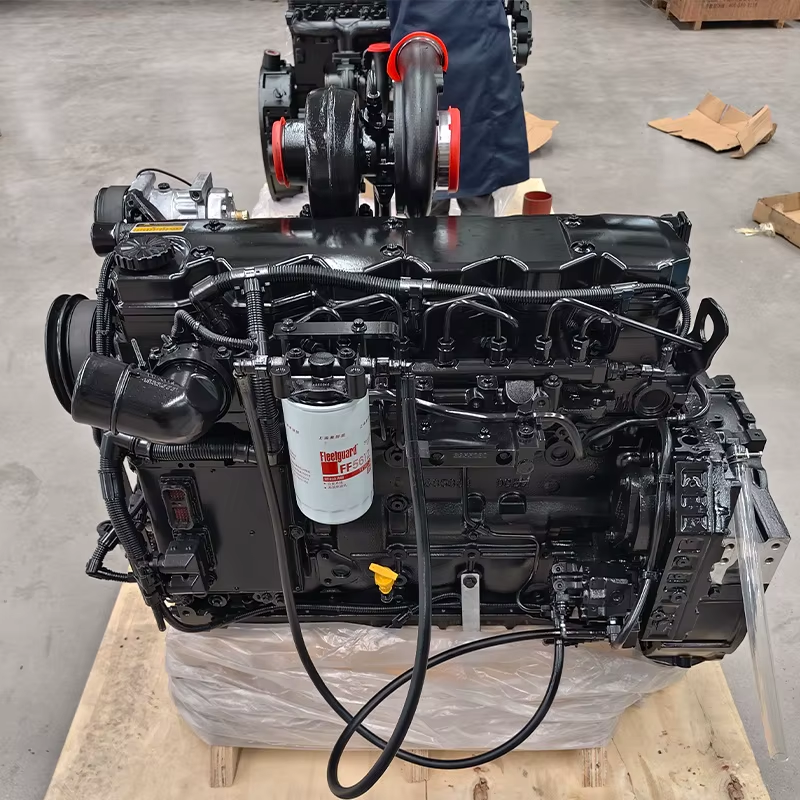
Request a Quote for Your Cummins QSB6.7 Requirements
When contacting Power Engine Market, provide as much of the following information as possible:
- Required engine model and rating.
- Vessel make, model, and intended use.
- Existing engine details, if applicable.
- Gearbox or transmission model.
- Preference for new, used, rebuilt, or remanufactured condition.
- Delivery destination.
- Desired delivery timeframe.
- Accessories or other components required.
You don’t need to know every technical detail before making an inquiry. Share what you have and identify the items that need confirmation.
Before paying, review the quotation carefully to ensure that the engine, condition, included components, price, warranty terms, and shipping arrangements are clearly stated.
Frequently Asked Questions
How much horsepower does the Cummins QSB6.7 550 marine engine produce?
Cummins publishes a recreational marine rating of 550 MHP at 3,300 RPM, corresponding to approximately 542 BHP in its rating table. Confirm the exact rating and model designation for the engine being offered.
What is the displacement of the Cummins QSB6.7?
The published displacement is 6.7 liters (408 cubic inches). The engine family uses an inline six-cylinder, four-stroke diesel configuration with turbocharging, aftercooling, and high-pressure common-rail fuel injection.
What are the dimensions of the Cummins QSB6.7 marine engine?
Published general dimensions are approximately 49.76 inches long, 35.85 inches wide, and 33.74 inches high, with a listed weight of approximately 1,450 pounds. Dimensions and weight may vary by configuration, so request the correct drawing for the exact engine.
Is the QSB6.7 550 rating suitable for a commercial vessel?
Not automatically. Cummins publishes separate recreational, commercial, and light-duty marine ratings. Confirm that the specific engine rating and configuration suit the vessel’s duty cycle and operating requirements.
Can the Cummins QSB6.7 be used for a boat repower?
It may be suitable for an eligible repower project, but compatibility must be assessed. Engine dimensions, mounts, transmission, shaft alignment, cooling, exhaust, and electrical systems may affect the installation.
What affects the price of a Cummins QSB6.7 marine engine?
Price depends on condition, rating, configuration, included components, and seller terms. Shipping, installation, commissioning, and vessel modifications also contribute to the total project cost.
Does the engine come with a gearbox?
Do not assume a gearbox is included. Check the specific quotation and confirm whether the transmission, controls, and other installation components are supplied.
What should I check before buying a used QSB6.7?
Request the engine serial number, maintenance history, operating-hour information where available, and inspection or diagnostic records. Arrange a qualified inspection when possible, and verify that the configuration suits your vessel.
How do I arrange shipping?
Provide your delivery destination and receiving requirements. Ask for the shipping method, freight cost, estimated dispatch timeframe, transit time, and any applicable destination charges in writing.
Where can I verify the official specifications?
Use the official Cummins QSB6.7/QSB7 marine engine page and the applicable manufacturer documentation to verify the model, rating, dimensions, and intended application.
Final Thoughts: Choose the Right Engine Before You Choose the Price
Finding a Cummins QSB6.7 550hp marine diesel engine for sale is the starting point. Making sure it matches your boat, operating requirements, and installation is what helps protect the value of your purchase.
Verify the exact model and rating. Check the dimensions, gearbox arrangement, and propulsion requirements. If you’re considering a used engine, review its condition and documentation carefully. Before paying, confirm the included components, applicable warranty terms, and shipping arrangements in writing.
A little preparation before ordering can help you avoid compatibility surprises, unexpected costs, and preventable delays.
If you’re planning a marine repower or sourcing a replacement diesel engine, contact Power Engine Market with your engine requirements and delivery destination. Request a quotation for the specific Cummins QSB6.7 configuration you need, and have the proposed installation verified by a qualified marine professional before finalizing your purchase.
Next Post: Cummins QSB 6.7 Marine Engine for Sale: Specifications, Compatibility, and Buying Guide


