

When you are buying a marine engine, the easiest mistake to make is to focus entirely on the engine itself.
You see 150hp, 250hp, 300hp, 450hp or 600hp, compare a few prices, check whether the engine is available, and start thinking about delivery.
But anyone who has been involved in marine repowering knows there is another side to the purchase.
What happens after the engine is installed?
Where will you obtain the correct service parts? Who can help identify a component when the vessel is operating in another country? Is there a dealer or qualified service network nearby? What happens if a warranty issue occurs? Can the engine be connected to the existing gearbox, sterndrive, controls and electrical system? Will the replacement engine actually fit the available engine space?
These are not theoretical questions. They are the practical questions that determine whether a marine-engine purchase becomes a straightforward installation or a much more complicated project.
At Power Engine Market, we approach marine-engine purchasing from that perspective. Our focus is not simply matching a customer with an engine that has the requested horsepower. We look at the engine, vessel, propulsion system, installation requirements and long-term support requirements as a complete package.
That is particularly important when you are searching for a marine engine with global dealer support for sale.
A globally supported engine can offer an important advantage for an international vessel, commercial operator, fleet owner, or customer planning a long-term repower. However, “global support” should never be treated as a vague promise. The actual dealer network, parts availability, warranty arrangements and technical support should be confirmed for the specific engine model and country where the vessel will operate.
That is the approach we recommend throughout the buying process.
What Does Global Dealer Support Mean for a Marine Engine?
Global dealer support means more than a manufacturer simply having customers in different countries.
Depending on the manufacturer and engine model, support may include access to authorized dealers or distributors, technical documentation, service personnel, diagnostics, maintenance information, replacement parts and warranty assistance.
The exact level of support varies.
That distinction matters.
A customer purchasing a marine engine for a vessel that stays in one location may have very different support requirements from an owner whose boat crosses international borders.
A commercial vessel operating hundreds or thousands of miles from the original supplier has an even greater reason to consider support before purchasing.
More Than Having a Dealer in Another Country
One of the first things we recommend checking is whether the dealer or service network can support the specific engine model you are purchasing.
For example, knowing that a manufacturer has a dealer network does not automatically establish that every dealer stocks every component or services every engine configuration.
Before ordering, it is sensible to confirm:
- The exact engine model
- Engine serial number where applicable
- Intended application
- Operating country or region
- Available service network
- Parts ordering process
- Warranty arrangements
- Technical support availability
This is particularly important when purchasing a marine engine with international dealer network support for an exported vessel or international repower.
Why Global Support Matters After the Sale
Consider a typical ownership scenario.
A vessel is repowered successfully and spends its first year operating close to home. Routine maintenance is straightforward.
Later, the vessel is moved to another country.
The owner now needs a service kit or engine-specific component.
At this point, the question is no longer simply whether the engine was available when it was purchased. The question is whether the engine can be properly supported where the vessel operates today.
That is why we encourage customers to think about the complete ownership period before committing to an engine.
For an international vessel, a marine engine for sale with worldwide support can be particularly attractive when the manufacturer’s service and parts network is appropriate for the vessel’s operating area.
But the important word is appropriate.
Always verify the actual support available for the specific engine and location.
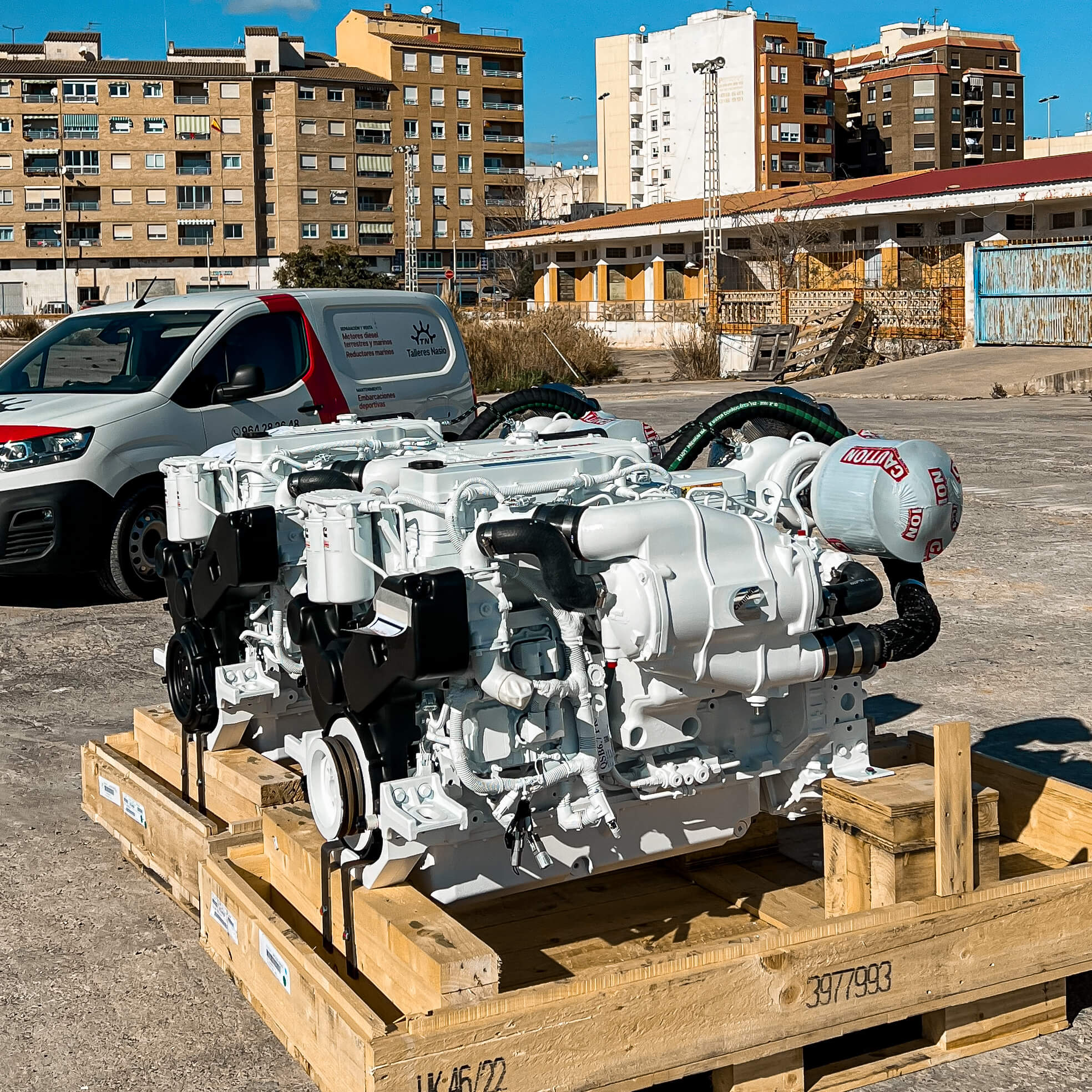
Why Dealer Network Coverage Should Be Part of Your Buying Decision
Marine engines operate in environments where downtime can have serious practical consequences.
For a leisure owner, a failed engine can interrupt a planned trip.
For a commercial operator, the consequences can be considerably more significant.
A fishing boat may not be able to operate. A workboat may be unable to complete a contract. A charter vessel may have to remain at the dock.
That is why dealer support should be evaluated alongside engine specifications.
Local Service Can Reduce Downtime
A suitable service network can make routine maintenance and troubleshooting more manageable.
Depending on the manufacturer and location, this may include assistance with:
- Scheduled servicing
- Diagnostic procedures
- Engine troubleshooting
- Replacement components
- Warranty-related service
- Commissioning
- Technical questions
- Maintenance procedures
We do not recommend assuming that every dealer offers identical services. Confirming the actual support available in the vessel’s operating area is part of the buying process.
Dealer Support Is Especially Important for Commercial Operators
Commercial customers should think about the engine’s operating profile before looking at individual models.
A marine diesel engine for commercial vessels may operate for long periods under substantial load. That makes the engine’s rating, cooling arrangement, maintenance requirements and service support especially important.
When discussing a commercial application, useful questions include:
- How many hours will the engine run each year?
- What is the typical operating load?
- What is the vessel’s displacement?
- What cruising speed is required?
- Is the engine used for propulsion or auxiliary power?
- Where will the vessel operate?
- How important is rapid access to service parts?
The answers help establish whether a particular engine is appropriate for the intended duty.
OEM Parts Availability Is a Major Part of Global Engine Support
There is a simple test we recommend for any long-term engine purchase:
Do not only ask how you will buy the engine. Ask how you will maintain it.
Marine engines contain numerous serviceable components.
Depending on the engine, these may include:
- Oil filters
- Fuel filters
- Air filters
- Belts
- Gaskets
- Sensors
- Pumps
- Injectors
- Cooling-system components
- Electrical components
- Seals
- Service kits
For someone searching for a marine diesel engine with global parts support, the availability and identification of these components can be an important part of the purchasing decision.
Why Parts Availability Matters
Marine-engine maintenance is an ongoing responsibility.
Even a reliable engine will require appropriate servicing according to the manufacturer’s requirements.
If a vessel operates internationally, obtaining the correct component can become more complicated when the owner does not have a clear parts-supply route.
That is why we recommend establishing the parts-support process before purchasing rather than waiting until a component is needed.
Always Confirm Parts Support for the Exact Engine Model
This is one of the most important technical points in the article.
Do not assume that a part fits simply because it comes from the same manufacturer.
Model variations, production changes, engine configurations and application differences can affect parts identification.
When requesting parts, have the following information available:
- Manufacturer
- Exact model
- Serial number
- Engine configuration
- Existing component information where applicable
Manufacturer parts systems can also help verify the correct component for a particular engine configuration.
When available, the manufacturer’s parts documentation or an authorized dealer should be used to verify the correct component.
That is a much safer approach than ordering based on appearance alone.
How to Choose the Right Marine Engine With Global Dealer Support
The right engine starts with the vessel.
Not the catalog.
Not the horsepower number.
And not necessarily the lowest price.
Start With the Vessel
Before selecting an engine, establish the vessel’s requirements.
Important factors include:
- Vessel type
- Hull design
- Vessel displacement
- Intended operating speed
- Maximum operating load
- Commercial or leisure application
- Number of engines
- Operating environment
- Expected annual engine hours
This information gives the engine supplier a much better basis for making a recommendation.
Determine the Required Horsepower
Horsepower is obviously important, but it is not the only specification that matters.
The engine’s rated power needs to be considered alongside the intended duty cycle and vessel requirements.
A customer replacing an engine should also avoid assuming that an engine with identical horsepower is automatically a direct replacement.
Two engines can produce the same nominal power while having different:
- Dimensions
- Weight
- Torque characteristics
- Mounting arrangements
- Cooling systems
- Exhaust configurations
- Electrical requirements
- Gearbox interfaces
That is why marine engine replacement with dealer support should be treated as an engineering and compatibility exercise rather than simply a horsepower-for-horsepower swap.
Match the Engine to the Drivetrain
The drivetrain is one of the areas we pay particular attention to during repower discussions.
Depending on the vessel, the engine may connect to:
- A marine gearbox
- A sterndrive
- A waterjet
- A direct-drive propeller arrangement
- A hybrid propulsion system
If the existing gearbox is being retained, its manufacturer, model and reduction ratio should be established before selecting the replacement engine.
If a new gearbox is being supplied, the appropriate configuration needs to be selected for the engine and vessel.
A marine engine and gearbox package can be useful when the customer wants the propulsion components considered together rather than trying to make separate components work after delivery.
Consider Physical Installation Requirements
Physical compatibility deserves just as much attention as horsepower.
Check:
Engine dimensions: Will the engine physically fit?
Weight: Can the vessel accommodate the replacement engine’s weight?
Mounting: Are the existing engine mounts compatible?
Flywheel housing: Does the engine have the appropriate connection?
Exhaust: Can the exhaust system be adapted appropriately?
Cooling: Is the cooling arrangement suitable?
Electrical system: Does the vessel use the appropriate voltage and electrical configuration?
Controls: Are the existing controls compatible, or will new controls be required?
Service access: Can technicians actually reach the filters, belts and service points after installation?
That final point is often overlooked.
An engine can physically fit inside an engine compartment and still be a poor installation if routine service points become inaccessible.
Marine Diesel Engines and Global Dealer Support
Power Engine Market’s marine engine category covers a range of propulsion requirements, including marine diesel engines from manufacturers such as Volvo Penta, Yanmar, Cummins, FPT, Doosan, Baudouin, FNM, Lombardini and others, depending on availability and application.
These manufacturers and products can serve different vessel types and operating requirements.
The important point is that manufacturer recognition alone does not determine whether an engine is appropriate for your project.
What to Look For in a Supported Marine Diesel Engine
When evaluating a marine diesel engine, look at the complete support picture.
Manufacturer: Who produces the engine?
Model: What exact model and configuration are being supplied?
Application: Is the engine appropriate for leisure, commercial or another intended duty?
Parts: How are service and replacement parts identified and obtained?
Dealer network: Where can the engine be serviced?
Warranty: What warranty applies to the intended application and market?
Documentation: Are the necessary installation and maintenance documents available?
Drivetrain: Can the engine work with the required gearbox, sterndrive or propulsion system?
This is the information that turns a product search into a proper engine-selection process.
Global Support for Marine Outboard Engines
Global dealer support is not limited to inboard diesel engines.
Power Engine Market also deals with marine outboard engine categories from manufacturers such as Honda, Mercury, Yamaha and Tohatsu, including different horsepower levels, shaft lengths, control systems and configurations.
For outboards, support can be just as important because the propulsion system incorporates the engine, lower unit, controls, electrical systems and trim/tilt equipment.
Why Dealer Support Matters With Outboards
Depending on the model, an outboard may require support for:
- Fuel-system components
- Electrical components
- Sensors
- Lower-unit components
- Propellers
- Trim and tilt
- Control systems
- Diagnostic equipment
- Routine service components
Therefore, someone searching for a marine outboard engine with dealer support should consider the support network as part of the purchase.
Outboard Specifications Buyers Should Match
Before purchasing an outboard, verify:
- Horsepower
- Shaft length
- Tiller or remote operation
- Mechanical or digital controls
- Starter type
- Trim and tilt
- Rotation
- Throttle and shift configuration
Manufacturer-specific parts and accessories should still be verified against the exact model. Tohatsu, for example, provides genuine parts, maintenance kits and repair kits through its dealer and authorized-service network.
For example, selecting a 250hp outboard is only one part of the decision.
You also need the correct shaft length and control arrangement for the vessel.
A counter-rotation model may also be relevant to a twin-engine installation where the propulsion configuration calls for it.
The specific boat and rigging requirements should determine the final selection.
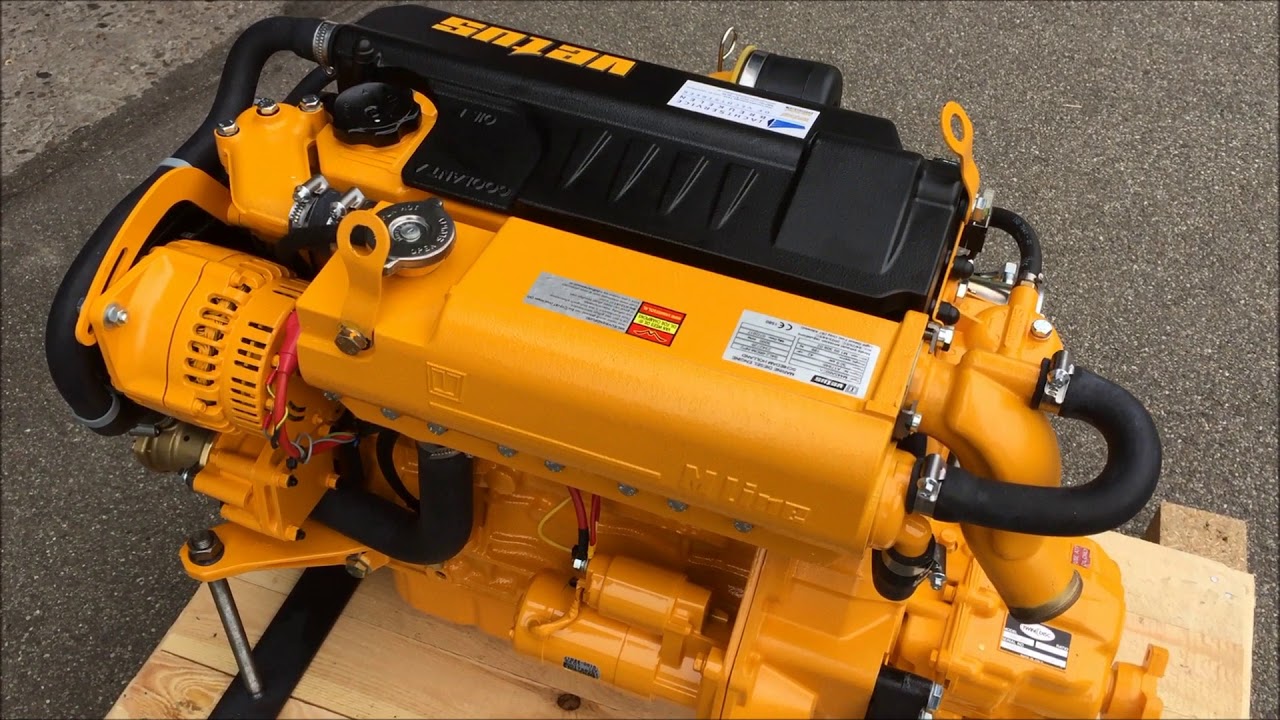
Don’t Forget the Gearbox or Sterndrive
One of the clearest lessons from marine repower work is that the engine should never be evaluated in isolation.
The propulsion system is a chain of connected components.
The engine produces power.
The gearbox or drive transfers it.
The propeller or propulsion unit converts it into thrust.
The controls allow the operator to manage it.
If one part is incompatible, the entire installation can be affected.
Marine Gearbox Compatibility
When retaining an existing gearbox, provide its:
- Manufacturer
- Model
- Reduction ratio
- Input rating
- Rotation
- Mounting configuration
- Existing adaptor information
Do not rely solely on the fact that the gearbox worked with the old engine.
The new engine’s connection and operating characteristics still need to be checked.
Sterndrive and Adaptor Compatibility
Sterndrive repowers can require additional components such as adaptor plates, drive plates or specific flywheel-housing arrangements.
Power Engine Market products may be available in configurations designed around applications involving systems such as MerCruiser Alpha, MerCruiser Bravo or Volvo Penta sterndrives, depending on the specific engine.
The exact configuration should always be confirmed before ordering.
This is especially important when the goal is to reuse existing propulsion equipment.
Global Dealer Support Matters Even More for Marine Repowering
Repowering is where engine selection, compatibility and support all come together.
A successful repower starts with information.
Replacing an Existing Marine Engine
If you are replacing an existing engine, send us as much information as possible.
Useful details include:
- Existing manufacturer
- Exact engine model
- Serial number
- Horsepower
- Gearbox or sterndrive model
- Engine dimensions
- Mounting arrangement
- Exhaust configuration
- Cooling system
- Electrical system
- Vessel type
- Intended application
- Operating location
Photographs are extremely helpful as well.
A clear photograph of the engine plate, engine mounts, gearbox connection and overall engine compartment can reveal information that a horsepower figure cannot.
Can a New Engine Work With Your Existing Equipment?
Sometimes it can.
Sometimes an adaptor is required.
Sometimes the existing equipment may need to be replaced.
There is no responsible way to answer that question from horsepower alone.
For example, two engines may both be rated at 150hp but have different physical dimensions, mounting positions and gearbox interfaces.
That is why marine engine repower with OEM parts should be approached with the entire installation in mind.
Ask About Package Options Before Ordering
Depending on the engine, available package options may include:
- Gearboxes
- Drive plates
- Adaptor plates
- Control panels
- Wiring harnesses
- Flexible engine mounts
- Exhaust components
- Electrical systems
Ordering the correct configuration from the beginning can reduce unnecessary installation complications.
What We Look At at Power Engine Market Before Recommending an Engine
This is where practical vendor experience becomes important.
A marine engine is not a generic industrial product that can simply be selected from a horsepower chart.
We Start With the Application
We want to understand what the engine will actually do.
A pleasure cruiser, fishing vessel, workboat and commercial vessel can have very different operating requirements even if they all request the same horsepower.
We therefore consider:
- Vessel type
- Duty cycle
- Expected operating hours
- Load
- Propulsion arrangement
- Operating location
The application provides the context for the specification.
We Look at Compatibility
Next comes the installation.
We consider the relationship between:
- Engine
- Gearbox
- Mounts
- Controls
- Cooling
- Exhaust
- Electrical system
- Propulsion system
This is particularly important for customers undertaking repowers.
We Consider Parts and Service Support
The purchase should make sense beyond the delivery date.
Customers need to know how routine service requirements will be handled and where replacement components can be sourced.
That makes marine engine parts and service support an important part of our conversations with customers.
We Confirm the Details Rather Than Guess
This is one of the principles we believe matters most in marine-equipment sales.
If a specification needs confirmation, we confirm it.
If compatibility needs to be checked, we check it.
If a lead time depends on a particular configuration, we make that clear.
If a manufacturer-specific warranty condition applies, it should be communicated rather than assumed.
Marine equipment is too expensive and technically important for a supplier to fill gaps in information with guesses.
That is also why we encourage customers to provide model numbers, photographs, measurements and existing drivetrain information whenever possible.
Questions to Ask Before Buying a Marine Engine With Global Dealer Support
Before purchasing, work through this checklist.
Is There an Authorized Dealer or Service Network Near My Vessel?
Find out who can actually support the engine in the location where the vessel operates.
Are OEM Parts Available for This Exact Engine Model?
Ask how parts are identified and ordered.
The exact model and serial number may be important.
How Will Warranty Support Work in My Country?
Warranty conditions can vary according to manufacturer, application and market.
Ask for the applicable terms rather than assuming that the same warranty applies everywhere.
Is Technical Documentation Available?
Installation and maintenance documentation can be essential for correct installation and future servicing.
Can the Engine Be Supplied With the Correct Gearbox or Adaptor?
If you are undertaking a repower, provide the current gearbox or sterndrive details.
Can Replacement Parts Be Ordered Internationally?
For vessels operating across borders, establish the parts-supply process before purchase.
What Is Required for Installation and Commissioning?
Ask whether the engine requires specific installation procedures, control systems, diagnostic equipment or commissioning requirements.
Common Mistakes Buyers Make When Choosing a Marine Engine
Choosing Only by Horsepower
Horsepower is important, but it does not establish physical or mechanical compatibility.
Ignoring Dealer Coverage
An engine may appear ideal until the owner discovers that appropriate service support is difficult to access where the vessel operates.
Assuming Parts Are Universally Available
Parts should be verified for the exact engine model and configuration.
Forgetting the Gearbox
The gearbox is part of the propulsion system and needs to be considered alongside the engine.
Focusing Only on the Initial Purchase
The cost of ownership includes more than the purchase transaction.
Maintenance, parts, servicing and downtime all matter.
Not Planning for Maintenance
Ask what routine service components will be needed and how those components can be obtained.
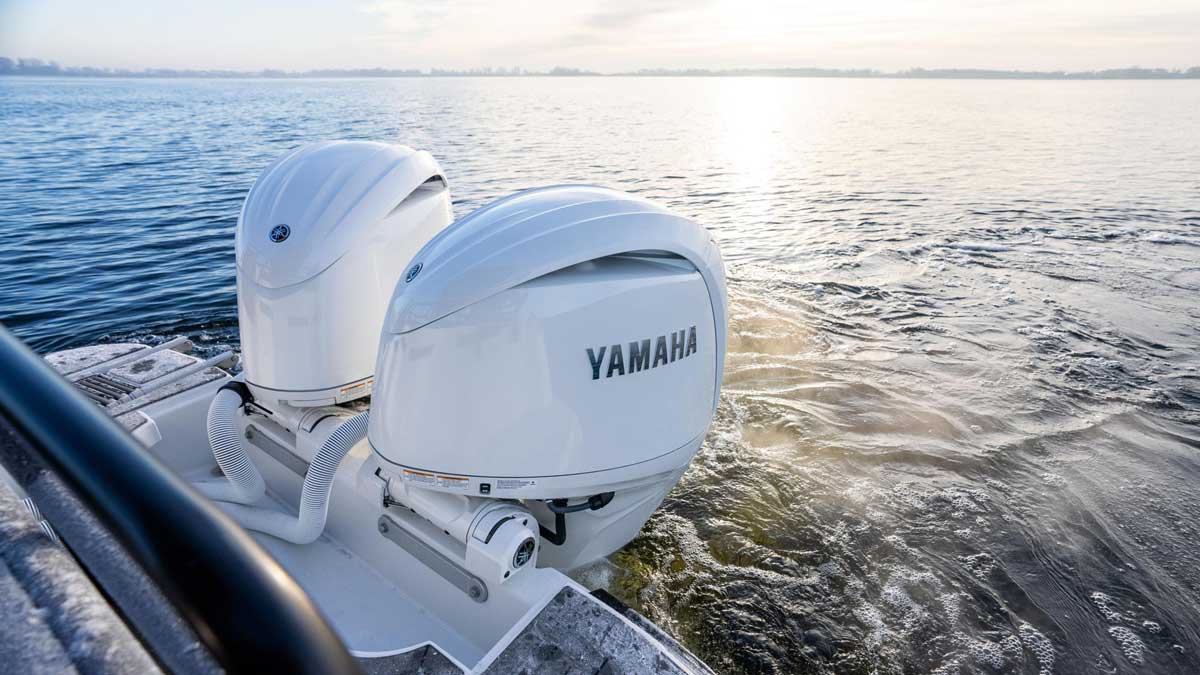
Marine Engine With Global Dealer Support for Sale: What Power Engine Market Can Help You Find
Power Engine Market provides access to a broad range of marine propulsion and power-equipment categories, depending on current availability and customer requirements.
These can include:
- Marine diesel engines
- Marine outboard engines
- Marine generator sets
- Engine and gearbox packages
- Sterndrive-related configurations
- Marine repower solutions
- Marine propulsion equipment
Our product range includes engines and equipment from manufacturers such as Volvo Penta, Yanmar, Cummins, FPT, Doosan, Baudouin, FNM, Lombardini, Honda, Mercury, Yamaha, Tohatsu and others, depending on the product category and current availability.
Engines for Leisure Boats
Leisure customers may be looking for a compact replacement engine, a higher-output propulsion system or a complete repower package.
The correct choice depends on the boat and intended use.
Engines for Commercial Vessels
Commercial customers typically need to consider operating hours, duty cycle, service requirements, parts availability and downtime.
A marine diesel engine for commercial vessels should therefore be selected around the complete operating profile rather than horsepower alone.
Engines for Repower Projects
For repowers, we recommend supplying the existing engine details before selecting a replacement.
This gives us the information needed to investigate compatibility and identify potential package or adaptor requirements.
International and Export Enquiries
International customers should consider more than shipping.
Before ordering, confirm:
- Engine configuration
- Dealer/service coverage
- Warranty
- Parts support
- Technical documentation
- Shipping requirements
- Import requirements
- Installation requirements
An engine may be available for export without every aspect of local support being identical to the original market.
That is why location-specific confirmation matters.
Frequently Asked Questions About Marine Engines With Global Dealer Support
What is a marine engine with global dealer support?
A marine engine with global dealer support is an engine backed by a manufacturer or supplier network that can provide access to service, technical assistance, parts and other ownership support across multiple markets. The precise support available depends on the manufacturer, model and country.
Why is global dealer support important when buying a marine engine?
It can provide a clearer route to servicing, technical assistance, replacement parts and warranty support, especially when a vessel operates away from the location where the engine was purchased.
Do all marine engines have international dealer support?
No. Dealer coverage varies by manufacturer, model and market. Buyers should verify support for the exact engine and location.
How do I check whether OEM parts are available for my marine engine?
Provide the exact manufacturer, model and serial number where applicable. The dealer or manufacturer can then identify the appropriate parts and explain the ordering process.
Can I buy a marine engine internationally?
International purchasing is possible for many marine-engine products, but buyers should confirm availability, configuration, warranty, shipping, import requirements, documentation and local support before ordering.
Does dealer support include warranty service?
It depends on the manufacturer and applicable warranty. Leisure and commercial applications can have different warranty conditions, and international purchases may have additional requirements.
Can a new marine engine replace my existing engine?
It may be possible, but compatibility must be evaluated. Engine dimensions, mounting, gearbox, sterndrive, controls, exhaust, cooling and electrical systems all need to be considered.
Should I buy the engine and gearbox together?
For some applications, purchasing a complete marine engine and gearbox package can make configuration easier. The gearbox ratio and connection still need to be appropriate for the vessel and engine.
What information should I provide when requesting a marine engine?
Provide:
- Vessel type
- Existing engine
- Engine model
- Serial number
- Required horsepower
- Gearbox or sterndrive
- Propulsion arrangement
- Engine compartment dimensions
- Intended application
- Operating location
- Leisure or commercial use
Photographs of the current installation can be extremely useful.
Find the Right Marine Engine With Reliable Global Support
The right marine engine is not necessarily the engine with the highest horsepower.
It is not automatically the engine with the lowest purchase price either.
The right choice is the one that fits the vessel, application, propulsion system and long-term ownership requirements.
That means looking at:
- Engine suitability
- Power rating
- Physical dimensions
- Mounting
- Gearbox or sterndrive compatibility
- Controls
- Cooling
- Electrical requirements
- OEM parts availability
- Dealer coverage
- Warranty
- Technical support
- Long-term serviceability
If you are searching for a marine engine with global dealer support for sale, those are the questions worth asking before you place an order.
At Power Engine Market, we can help you work through those requirements across our marine engine, outboard, generator and propulsion-equipment categories.
Whether you are replacing an existing diesel engine, upgrading an outboard, sourcing a complete engine and gearbox package or planning an international repower, start with the information available about your vessel.
Tell us what you are replacing, the engine currently installed, your required horsepower, the existing gearbox or drive, where the vessel operates and how the vessel is used.
The more accurate the information, the more accurately the available options can be evaluated.
Because a marine-engine purchase should not end when the engine arrives at the dock.
The goal is to choose an engine you can install correctly, operate confidently, maintain properly and continue to support wherever your vessel takes you.


