

Looking for a Yanmar 4LV230 marine engine for sale? Before you compare quotations or commit to an engine replacement, make sure you understand what you’re buying, how the engine fits your vessel, and what the complete installation may require.
The Yanmar 4LV230 is a four-cylinder marine diesel engine rated at 230 metric horsepower (MHP), or 169 kW, at 3,800 RPM. It belongs to Yanmar’s 4LV series, which is designed for suitable powerboats, yacht tenders, and light-duty commercial applications. The series combines turbocharging, common-rail fuel injection, and electronic engine management. Yanmar also lists shaft-drive and jet-drive configurations, as well as compatibility with its ZT370 sterndrive, subject to the appropriate model and installation requirements.
At Power Engine Market, our goal is to help buyers approach marine engine purchasing with the right questions. Horsepower matters, but so do the transmission, mounting arrangement, controls, operating conditions, and final delivered cost.
This guide explains the Yanmar 4LV230 marine engine specifications, the factors affecting price, the main fitment checks, and what to prepare before requesting a quote. Whether you’re planning a repower or evaluating an engine for a new project, you’ll have a clearer picture of the decisions that need to be made.
Why Consider the Yanmar 4LV230 Marine Diesel Engine?
Choosing a marine engine isn’t simply a matter of matching the horsepower printed on your existing engine. Your replacement must suit the vessel’s design, propulsion system, operating profile, and available installation space.
The Yanmar 4LV230 is worth considering when its rated output and approved configuration match those requirements.
230 MHP of Rated Output
Yanmar specifies the 4LV230 at 230 MHP (169 kW) at 3,800 RPM. That rating provides a useful starting point when evaluating the engine for a compatible powerboat or another approved marine application.
However, rated output alone does not establish whether an engine is right for your boat. Vessel displacement, hull design, propeller selection, transmission ratio, and the load carried onboard all influence the power required.
For example, if you’re replacing an older engine rated at approximately the same output, you still need to check whether the new engine’s rated speed, torque characteristics, mounting points, and transmission arrangement match the existing setup. Similar horsepower does not guarantee a straightforward replacement.
Turbocharging and Common-Rail Fuel Injection
The 4LV230 uses a turbocharged and intercooled design with Denso common-rail direct fuel injection. These are documented features of the engine, rather than assumptions based on the broader Yanmar brand.
Common-rail injection uses electronically controlled fuel delivery. For buyers, this makes it important to verify the supplied engine controls, wiring harness, instrumentation, and diagnostic requirements before ordering.
The turbocharger and charge-air cooling system also make proper installation and maintenance important. Follow the engine’s approved installation instructions and service schedule rather than relying on general advice intended for a different diesel engine.
Designed for Suitable Marine Applications
Yanmar identifies the 4LV series for applications including small motorboats, superyacht tenders, and light-duty commercial vessels, subject to the relevant engine rating and certification. The manufacturer also lists several propulsion options across the series.
That doesn’t mean every 4LV230 configuration is suitable for every vessel in those categories. The specific engine, drive, duty cycle, and applicable requirements must be checked for the intended installation.
The practical takeaway: Consider the 4LV230 when its published specifications match your vessel’s needs, then verify the complete propulsion package before making a purchase.
Yanmar 4LV230 Marine Engine Specifications
The manufacturer’s specifications provide a starting point for evaluating the engine. They should also be used when comparing it with alternatives, checking engine-room clearance, or discussing a proposed replacement with an installer. Refer to Yanmar’s 4LV230–250 technical datasheet for the published specifications and configuration notes.
The following figures are drawn from Yanmar’s published 4LV230–250 technical datasheet. Confirm the documentation for the precise engine and configuration being offered, especially where dimensions, transmission, and installation details are concerned.
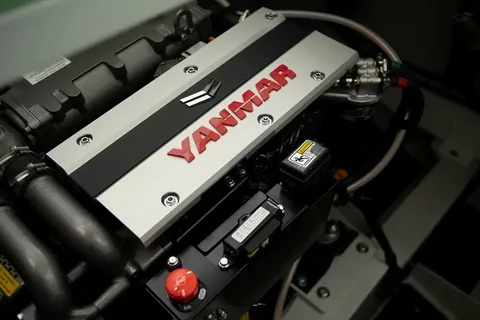
Key Technical Specifications
| Specification | Yanmar 4LV230 |
|---|---|
| Engine configuration | Four-cylinder, in-line, four-stroke diesel |
| Cooling | Freshwater cooling with seawater heat exchange |
| Maximum rated output | 169 kW / 230 MHP |
| Rated engine speed | 3,800 RPM |
| Displacement | 2.755 litres / 168 cu in |
| Bore × stroke | 92 × 103.6 mm |
| Aspiration | Turbocharged and intercooled |
| Fuel injection | Denso common-rail direct injection |
| Engine management | Electronic |
| Starting system | 12V electric starting |
| Alternator | 12V, 130A |
| Published dry weight without gear | Approximately 334 kg / 736 lb |
| Published dimensions | Approximately 1,151 × 755 × 772 mm |
| Example dimension reference | Datasheet configuration with KMH50A marine gear |
Manufacturer reference: Yanmar 4LV230–250 technical datasheet. The datasheet notes that dimensions can vary with the gear and exhaust elbow. Use the applicable installation drawing for final measurements.
Understanding MHP, kW, and RPM
MHP means metric horsepower. Yanmar lists the 4LV230 at 169 kW, equivalent to approximately 230 metric horsepower. Metric horsepower and mechanical horsepower are close but not identical units, so it’s worth checking the units when comparing specifications from different manufacturers.
RPM describes engine speed, not boat speed. A rating of 3,800 RPM does not mean the engine should be operated continuously at that speed in every situation. The correct operating range and loading must follow the manufacturer’s instructions and the vessel’s approved setup.
When comparing engines, review the complete rating information rather than selecting a replacement from the headline horsepower figure alone.
What the Weight and Dimensions Mean for Installation
The published dry weight is approximately 334 kg without the marine gear. The total installed package will be heavier once the transmission and other components are included.
The datasheet’s stated dimensions are also configuration-specific. In the cited document, the length includes the KMH50A marine gear, and the manufacturer warns that dimensions can vary with other gears or exhaust elbows.
If you’re replacing an engine in a restricted compartment, don’t rely on approximate online dimensions alone. Compare the official drawing with the available length, width, height, mounting points, and service clearances. Consider how the engine will be removed and installed, not just whether it appears to fit once in place.
Yanmar 4LV230 Marine Engine Price: What Affects the Cost?
The price of a Yanmar 4LV230 marine engine depends on the actual product and supply arrangement. The manufacturer’s specifications establish the engine’s technical characteristics, but they do not establish the price of a particular unit offered by a supplier.
For that reason, Power Engine Market should quote against the buyer’s required configuration and destination rather than relying on an unverified universal price.
New and Used Engine Options
If both new and used options are available for your requirements, compare them carefully.
For a new engine, confirm the exact model, configuration, included accessories, documentation, applicable warranty terms, and supplier conditions.
For a used engine, ask for the available service records, operating history, condition information, identification details, and inspection or test results. Establish whether the transmission and accessories are included, and clarify any exclusions in writing.
A lower purchase price isn’t necessarily the lower-cost solution if substantial repairs, missing accessories, or installation modifications are required. On the other hand, a used engine with appropriate documentation and a condition that meets your needs may be worth evaluating. The decision should be based on evidence and the full project cost.
Transmission and Accessory Costs
A quotation may cover an engine alone or a larger package. These are not interchangeable offers.
Depending on the required configuration, the complete project may involve a marine gearbox or drive, controls, wiring harnesses, instrumentation, mounting components, and other installation items.
Ask the supplier to itemize what is included. This makes it easier to compare quotations fairly and identify equipment that still needs to be sourced.
Freight and Destination Charges
Freight, packaging, handling, insurance, customs duties, taxes, and other import costs may affect the final delivered price. The applicable charges depend on the destination and agreed delivery terms.
If the engine is being shipped internationally, clarify who arranges freight, who handles import procedures, and which charges are excluded from the quotation.
How to Request a Useful Quote
To obtain a more relevant Yanmar 4LV230 marine engine price, prepare the following details:
- Your boat’s make, model, year, and intended use.
- The existing engine and gearbox details, if this is a replacement.
- Your preferred propulsion arrangement.
- Whether you need an engine only or a package with additional components.
- Any known installation constraints.
- Your delivery city and country.
Contact Power Engine Market with this information so the requirements can be reviewed and the applicable supply terms confirmed. Price, availability, condition, and delivery timing should be verified for the specific offer before you commit.
Yanmar 4LV230 Marine Engine Fitment and Compatibility
Correct fitment is one of the biggest considerations when purchasing an engine. A model can have a suitable power rating and still require significant installation work if the dimensions, transmission, controls, or propulsion arrangement differ from the existing setup.
Yanmar itself recommends consulting a local dealer to determine whether a 4LV-series engine is compatible with a particular boat.
Engine-Room Space and Mounting Points
Begin with the available engine-room dimensions. Check the space required for the engine and transmission, plus the clearance needed to service filters, inspect belts, reach electrical connections, and access other routine maintenance points.
Next, compare the existing mounting arrangement with the correct installation drawing. Engine beds and mounts may need modification when the replacement model differs from the original.
Also account for the complete installed weight and its distribution. If the replacement changes the location or weight of major components, have the effect on the vessel assessed appropriately.
Marine Gearbox Compatibility
If your boat uses a shaft-drive system, check the proposed gearbox’s approved engine application, torque capacity, reduction ratio, rotation, coupling, and installation requirements.
Don’t assume the existing gearbox can be reused because the old and new engines have similar horsepower. The transmission must be suitable for the particular engine and operating conditions.
If you are buying an engine-and-gear package, ask the supplier to confirm exactly which components are included. If you intend to reuse an existing transmission, provide its model and identification details for a compatibility review.
Propeller, Shaft, and Drive System
Propeller selection affects how the engine is loaded. Diameter, pitch, reduction ratio, vessel displacement, hull design, and operating conditions all influence the final setup.
For a shaft-drive installation, the shaft, coupling, alignment, and propeller must be checked as part of the propulsion system. For a sterndrive or jet-drive installation, confirm that the exact engine and drive combination is approved for the application.
A qualified marine professional should verify that the completed system allows the engine to operate within the manufacturer’s specified range. An incorrect setup can affect performance and place undue load on the engine or drivetrain.
Cooling, Exhaust, Fuel, and Electrical Systems
A replacement engine may require changes to supporting systems. Check the cooling-water supply, exhaust routing, ventilation, fuel lines and filtration, battery and charging arrangements, and engine-control connections.
The 4LV230’s electronic management and common-rail fuel system make it especially important to confirm the correct harnesses, instrumentation, controls, and diagnostic arrangements for the supplied configuration. Don’t assume that components from another engine will connect directly.
Installation must follow the manufacturer’s requirements and applicable marine safety standards. Where the correct arrangement is uncertain, obtain a technical review before ordering or modifying the vessel.
Is the Yanmar 4LV230 Suitable for a Repower?
It may be, but suitability depends on the existing vessel and propulsion system.
For a Yanmar 4LV230 marine engine for boat repower, gather the existing engine model, transmission details, installation measurements, and vessel information. A qualified installer can then assess the proposed engine’s output, dimensions, mounting requirements, cooling and exhaust systems, and controls.
The most useful approach is to resolve compatibility questions before purchase rather than discovering them during installation.
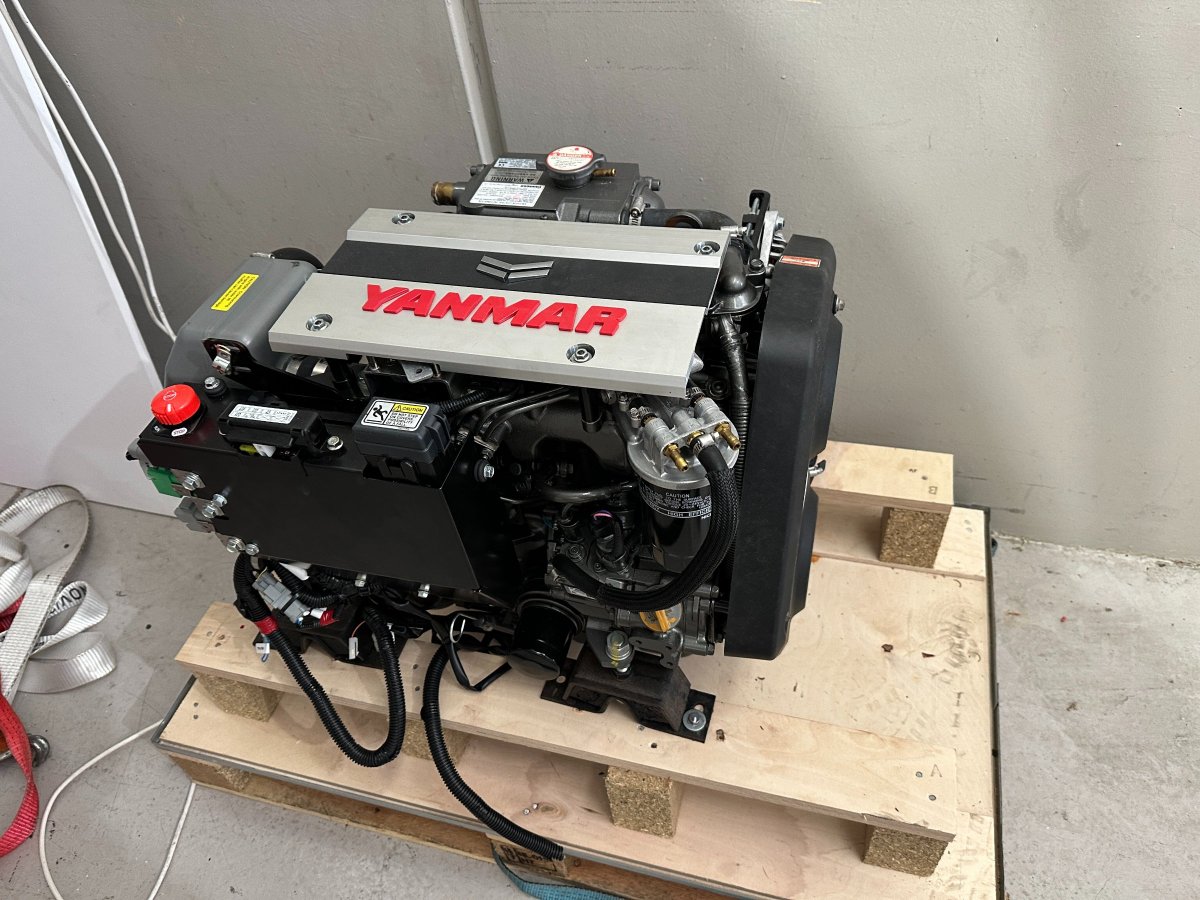
Is the Yanmar 4LV230 Right for Your Boat?
The right engine is the one that meets your vessel’s power requirements, fits the installation, and suits the way you’ll use the boat.
Recreational Powerboats
For a compatible powerboat, the 4LV230 may be worth evaluating if the required output and propulsion configuration match the manufacturer’s specifications.
Consider how the vessel will be loaded, its intended operating speed, and whether the existing propeller and drive system are appropriate. Similar-sized boats can have very different power requirements, so boat length alone is not enough to establish suitability.
Yacht Tenders and Light-Duty Commercial Vessels
Yanmar identifies the 4LV series for applications including superyacht tenders and light-duty commercial vessels, subject to the relevant model ratings and certifications.
If you’re considering the engine for commercial use, confirm that the specific configuration meets the intended duty cycle and applicable regulatory requirements. An engine appropriate for recreational use is not automatically suitable for every commercial operating schedule.
When Should You Consider an Alternative?
The 4LV230 may not be the right choice if the vessel requires a different power rating, the available installation space is inadequate, or the proposed drive arrangement is not supported.
It may also be worth comparing another engine if the vessel’s duty cycle, certification requirements, or existing propulsion system call for a different configuration.
Power Engine Market buyers should approach this as a compatibility decision first and a product comparison second. Choosing a suitable engine can help avoid unnecessary modifications and unexpected installation costs.
Yanmar 4LV230 Fuel Consumption and Operating Costs
Fuel consumption is an important part of evaluating a Yanmar 4LV230 marine diesel engine for sale, particularly if you use your boat regularly or operate it commercially.
However, a reliable fuel estimate must be based on operating conditions. A single litres-per-hour figure without a corresponding engine speed, load, and test configuration can be misleading.
What Affects Fuel Consumption?
Fuel use depends on several factors:
- Engine speed and load: Higher power demand generally changes fuel use.
- Vessel displacement: Additional weight affects the power required to move the boat.
- Hull condition: Fouling or damage can increase resistance.
- Propeller matching: An unsuitable propeller can cause improper engine loading.
- Sea conditions: Wind, waves, and currents can change operating requirements.
- Maintenance and installation: The engine and supporting systems must be maintained and installed according to the manufacturer’s requirements.
For an accurate estimate, request manufacturer-supported fuel-consumption information for the relevant operating speeds and loads. Where practical, record actual fuel use under representative conditions after the installation has been commissioned correctly.
Budget for More Than Fuel
Your total operating costs may include routine servicing, lubricants, filters, cooling-system maintenance, replacement parts, and professional service work.
Before buying, review the manufacturer’s maintenance schedule and consider the availability of appropriate service support and parts in your operating area.
For a used engine, available maintenance records can help you assess its history. For a new engine, ask for the applicable service documentation and clarify what support is included in the purchase.
The important point is to evaluate the total cost of ownership, not just the engine’s initial price.
What to Check Before Buying a Yanmar 4LV230
Before committing to a purchase, use this checklist to organize your questions.
1. Confirm the Exact Engine Model
Verify the model designation and the documentation associated with the engine being offered. Make sure the specifications match the product you intend to purchase.
2. Confirm the Condition and Included Equipment
Establish whether the engine is new or used, what condition documentation is available, and whether a gearbox, controls, harnesses, instruments, or accessories are included.
For a used engine, request available service history and inspection information. For a new engine, confirm the applicable supply and warranty terms in writing.
3. Check Installation Compatibility
Review the engine-room dimensions, mounting arrangement, transmission, shaft or drive system, cooling, exhaust, fuel supply, and electrical controls.
If any of these details are uncertain, obtain an installation assessment before ordering.
4. Review the Complete Quotation
Ask for a clear breakdown of the engine, included components, freight, handling, taxes, and other applicable charges.
Make sure you understand what is excluded from the quoted price and which delivery terms apply.
5. Verify Documentation and Support
Confirm the relevant product documents, installation instructions, maintenance information, and any applicable certification requirements.
Also establish what support and parts availability can realistically be provided for your location. Do not assume that a particular warranty or service arrangement applies unless it has been confirmed for the actual purchase.
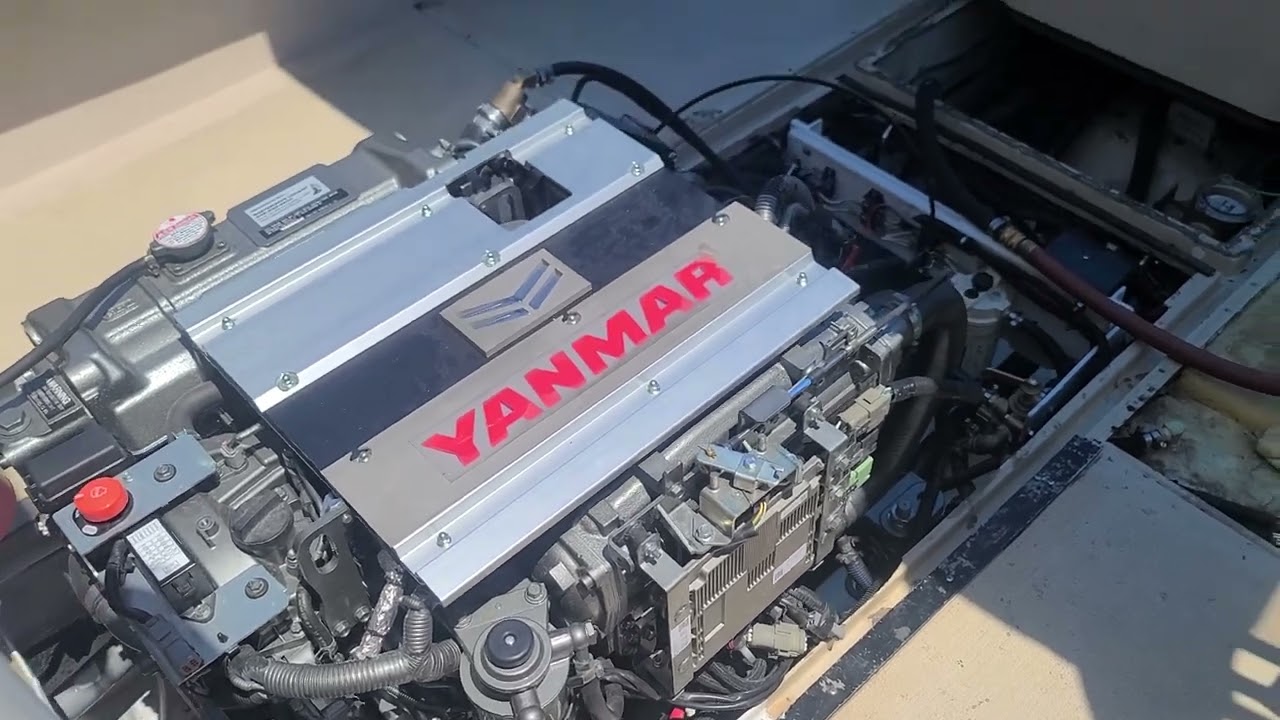
Ordering and Shipping Through Power Engine Market
Once you’ve identified a suitable configuration, the next step is to confirm supply and delivery arrangements.
Power Engine Market can help you progress your inquiry for a Yanmar 4LV230 marine engine for sale by reviewing the requirements and identifying the information needed for a quotation. Specific availability, condition, included components, and delivery arrangements must be confirmed for your order.
When requesting a quote, provide your vessel details, current engine information if applicable, required configuration, and delivery destination.
Before the engine ships, establish the agreed packaging and freight arrangements, estimated delivery schedule, and responsibility for any applicable import procedures or destination charges.
When the shipment arrives, compare the delivered items with the order documentation before installation. Keep the relevant purchase and shipping records, and raise any discrepancies promptly.
Clear communication before purchase helps you understand what you’re buying and what will still be required to complete the installation.
Frequently Asked Questions About the Yanmar 4LV230
How much horsepower does the Yanmar 4LV230 produce?
Yanmar specifies a maximum rated output of 230 metric horsepower (MHP), equivalent to 169 kW, at 3,800 RPM. Metric horsepower and mechanical horsepower are not exactly the same unit.
What are the main Yanmar 4LV230 marine engine specifications?
The engine is a four-cylinder, four-stroke diesel with 2.755 litres of displacement, turbocharging, intercooling, and Denso common-rail direct fuel injection. Its published maximum output is 169 kW at 3,800 RPM. Confirm the exact configuration using the manufacturer’s documentation.
How much does a Yanmar 4LV230 marine engine cost?
The price depends on the particular engine, its condition, included equipment, supply terms, and destination. Contact Power Engine Market for a quotation based on your requirements rather than relying on an unverified general price.
Is the Yanmar 4LV230 suitable for a boat repower?
It may be suitable if the engine’s output, dimensions, transmission, controls, and installation requirements match your vessel. Have the proposed installation checked before ordering.
Which gearbox is compatible with the Yanmar 4LV230?
The appropriate transmission depends on the approved configuration, torque requirements, reduction ratio, rotation, and propulsion arrangement. Confirm the proposed engine-and-gear combination against the relevant manufacturer documentation.
What is the weight of the Yanmar 4LV230?
Yanmar’s cited technical datasheet lists a dry engine weight of approximately 334 kg (736 lb) without the marine gear. The complete installed package will weigh more, depending on the selected transmission and accessories.
What affects Yanmar 4LV230 fuel consumption?
Engine RPM, load, vessel displacement, hull condition, propeller matching, and operating conditions all affect fuel use. Request data corresponding to the relevant engine configuration and operating conditions for a useful estimate.
What information should I provide when requesting a quote?
Provide the engine model, vessel make and model, existing engine and transmission details if relevant, preferred configuration, required accessories, and delivery destination. These details help clarify the product package and installation questions that need to be addressed.
Request a Yanmar 4LV230 Marine Engine Quote From Power Engine Market
If you’re searching for a Yanmar 4LV230 marine engine for sale, the best starting point is to establish whether the engine is right for your boat and operating requirements.
The 4LV230 offers a published maximum output of 230 MHP, a four-cylinder 2.755-litre design, turbocharging, intercooling, and common-rail fuel injection. Those specifications make it a model worth evaluating for suitable marine applications, but they don’t replace a proper fitment review.
Before ordering, confirm the exact engine configuration, transmission requirements, included accessories, total delivered cost, and installation requirements. Those checks can help you compare offers more accurately and reduce the risk of unexpected project expenses.
At Power Engine Market, we encourage buyers to ask clear questions and establish the details before committing to a purchase.
Ready to discuss your requirements? Contact Power Engine Market to request a Yanmar 4LV230 quote. Share your vessel details, existing engine information, preferred configuration, and delivery destination so the relevant product and fitment requirements can be reviewed.
Next Post: Yanmar 6LY440 440HP Marine Diesel Engine for Sale: Specs, Price & Fitment


