

If you’re shopping for a marine engine today, there’s a good chance you’re looking at more than horsepower.
You may also be comparing electronic controls, engine monitoring, diagnostic capabilities, fuel systems, marine gearboxes, operating data, service support, and the overall compatibility of the power system with your vessel.
That is a good thing.
A marine engine is not an isolated piece of equipment. It is part of a propulsion system, and the quality of that system depends on how well its components work together.
This is especially important when you’re searching for a marine power system with integrated diagnostics for sale.
Integrated diagnostics can give operators and technicians useful information about engine operation, warnings, faults, and monitored parameters. But the phrase “integrated diagnostics” should never be treated as a magic label. Different manufacturers and engine models provide different levels of monitoring and diagnostic capability.
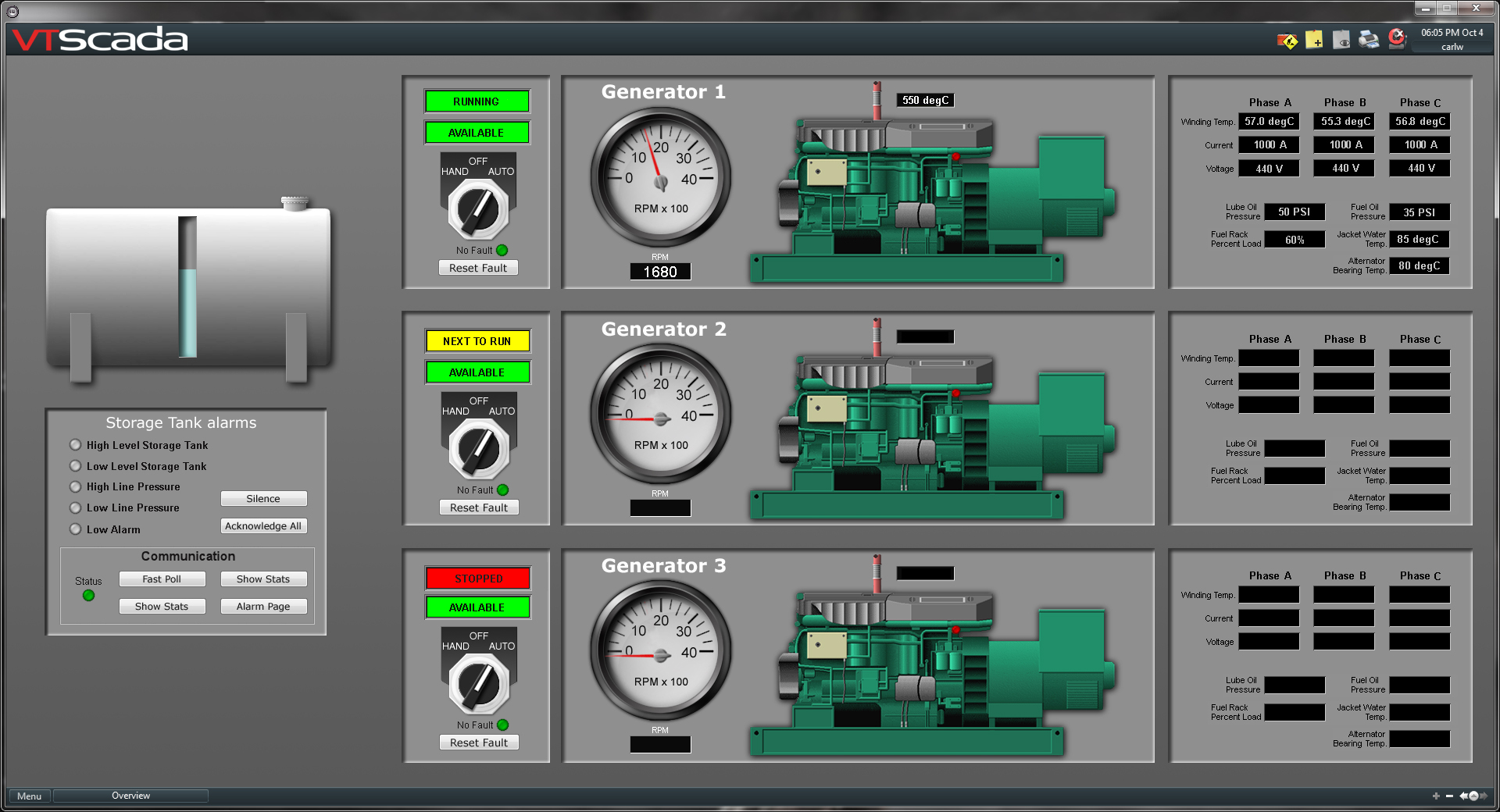
For example, Cummins marine engines can use electronic control modules to monitor operating parameters and provide diagnostics and engine protection, while Mercury’s SmartCraft systems can provide information such as engine RPM, temperature, fuel consumption, operating hours, and diagnostic information on supported applications.
Volvo Penta likewise documents electronically controlled marine engines with ECM-based diagnostics and electronic vessel-control systems on applicable models.
That difference matters when you’re spending thousands of dollars on propulsion equipment.
At Power Engine Market, the better question is not simply:
“Which marine engine has the most technology?”
The better question is:
“Which marine power system gives my vessel the right combination of power, compatibility, monitoring, diagnostics, serviceability, and total ownership cost?”
That’s what this guide is designed to help you determine.
What Is a Marine Power System With Integrated Diagnostics?
A marine power system is the complete propulsion arrangement used to move a vessel.
Depending on the vessel, it may include:
- Marine engine
- Fuel system
- Cooling system
- Exhaust system
- Electronic engine controls
- ECU or ECM
- Monitoring instruments
- Diagnostic interface
- Marine gearbox or transmission
- Shaft system
- Propeller
- Electrical connections
- Vessel control systems
An integrated diagnostic system adds electronic monitoring and fault-information capabilities to the power package.
The exact capabilities depend heavily on the engine manufacturer and model.
For example, Cummins describes marine electronic systems that use an ECM to monitor operating parameters and provide diagnostics, prognostics, and engine protection.
Mercury documentation for supported engines and SmartCraft systems describes monitoring functions including engine RPM, coolant temperature, water pressure, battery voltage, fuel consumption, and operating hours, along with assistance in identifying engine fault information.
So when a seller describes an engine as having integrated diagnostics, you should ask a second question:
Exactly what does the diagnostic system monitor and what equipment is required to access the information?
That question can save you from buying an expensive system that does not integrate with your vessel the way you expected.
Integrated Diagnostics Are Not the Same as a Warning Light
This distinction is important.
A basic warning system may alert an operator that something is wrong.
A more sophisticated electronic diagnostic architecture can provide additional information that helps a technician investigate the problem.
Those are not necessarily the same thing.
For example, an electronic engine system may detect an abnormal sensor value and generate a fault code. That information can narrow the troubleshooting process, but it does not necessarily prove that the sensor itself is the root cause.
Marine-engine diagnosis still involves measurements, inspection, testing, and mechanical knowledge.
Volvo Penta’s marine engineering training materials specifically describe fault-code analysis, electronic diagnostic information, sensor measurements, control-unit signals, pressure measurements, flow, leakage, wear, and other methods as part of proper marine-engine diagnosis.
That is an important principle for any buyer:
Diagnostics assist diagnosis; they do not replace diagnosis.
Why Buy a Marine Power System With Integrated Diagnostics in 2026?
Modern marine propulsion systems are becoming increasingly electronic.
That does not mean every vessel needs the newest or most electronically sophisticated engine available.
It means buyers should understand what the technology actually provides.
Faster Fault Identification
When an electronic engine system identifies a monitored abnormal condition, the available diagnostic information can give a technician a useful starting point.
Instead of beginning with a completely unknown problem, the technician may have:
- A fault code
- A warning
- Sensor information
- Engine operating data
- Recorded parameters
- System-specific diagnostic information
That can help narrow the investigation.
Cummins, for example, provides marine diagnostic training covering electronic engine management systems, marine control systems, and diagnostic tooling for supported engine families.
This is one reason integrated diagnostics can be particularly valuable on commercial vessels.
Better Preventive Maintenance
A good diagnostic and monitoring system can provide additional information about how the engine is operating.
Depending on the system, this may include information such as:
- Engine hours
- RPM
- Temperature
- Oil pressure
- Fuel-related information
- Engine load
- Warning conditions
- Fault information
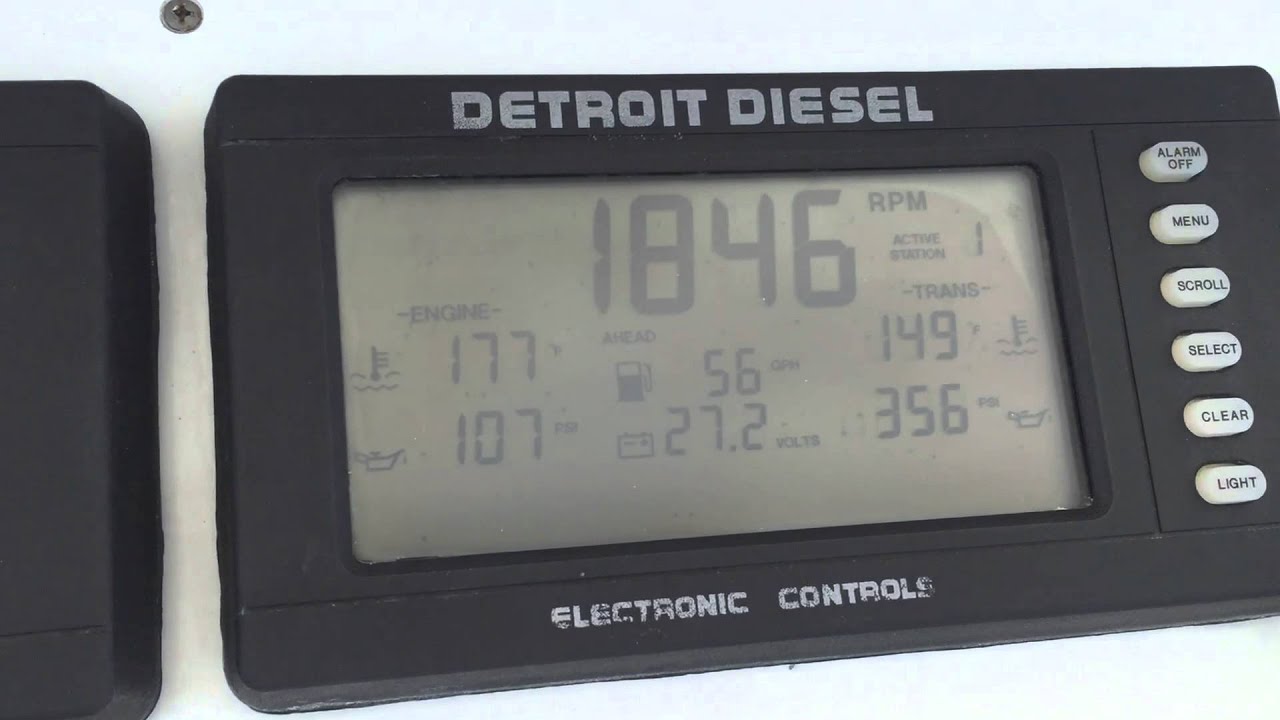
Yamaha’s Command Link documentation, for example, describes monitoring fuel flow, fuel consumption, and engine operating information on compatible systems.
This data does not replace scheduled maintenance.
Instead, it gives the owner and technician another source of information when making maintenance decisions.
Reduced Diagnostic Downtime
For a recreational boat, troubleshooting an engine problem can be frustrating.
For a commercial vessel, it can be expensive.
Consider a fishing boat that needs to remain operational during a particular fishing season or a workboat that earns revenue every day it operates.
In these situations, the ability to obtain useful diagnostic information can have real operational value.
That doesn’t mean an electronically diagnosed engine will never fail.
It means that when a supported fault occurs, the technician may have more information available to begin the investigation.
Better Visibility Into Engine Operation
One of the biggest advantages of modern electronic marine systems is visibility.
Instead of treating the engine as a black box, compatible monitoring systems can provide the operator with information about what the engine is doing.
This becomes especially useful when comparing:
- Cruising performance
- Engine load
- RPM
- Fuel consumption
- Operating hours
- Warning conditions
The exact parameters available depend on the manufacturer, model, instrumentation, and configuration.
Best Marine Power Systems With Integrated Diagnostics to Buy in 2026
There is no universal “best” marine power system.
The best system for a 25-foot recreational fishing boat may be completely wrong for a commercial workboat.
Likewise, a high-output diesel propulsion engine that makes sense for a large commercial vessel may be unnecessary for a small recreational craft.
So instead of ranking engines purely by horsepower, evaluate them according to application.
Best System for Recreational Boats
For recreational vessels, buyers often prioritize:
- Starting convenience
- Appropriate horsepower
- Fuel economy
- Weight
- Engine noise
- Electronic controls
- Monitoring
- Service availability
- Diagnostic capability
The first step is always vessel compatibility.
If the manufacturer rates a boat for a certain horsepower range, the replacement engine needs to respect that limitation.
Don’t assume that more horsepower automatically produces a better boating experience.
The right engine is the one that works with the hull, weight, transom, drivetrain, and intended operating profile.
Best System for Fishing Boats
Fishing vessels can be surprisingly demanding.
They may operate for long periods, carry significant loads, accelerate frequently, and spend considerable time working at specific engine speeds.
When evaluating a marine power system with integrated diagnostics for sale for a fishing application, look beyond the engine’s maximum horsepower.
Consider:
- Duty cycle
- Operating hours
- Cooling requirements
- Service access
- Fuel system
- Monitoring
- Diagnostic capability
- Parts availability
- Existing drivetrain
- Propeller requirements
The best system is the one that fits the actual workload.
Best System for Workboats
Workboats place a premium on reliability and serviceability.
A system that looks impressive in a product brochure may still be a poor choice if:
- It does not fit the engine room.
- Its controls are incompatible.
- The gearbox is unsuitable.
- Replacement parts are difficult to obtain.
- The service network is inadequate.
- The vessel’s existing electrical system cannot accommodate the required equipment.
For a commercial marine power system for sale, total compatibility matters more than a single headline specification.
Best System for Commercial Vessels
Commercial vessels require even more careful evaluation.
Engine ratings, duty cycles, emissions requirements, classification requirements where applicable, control systems, cooling arrangements, exhaust design, transmission compatibility, and vessel integration can all influence the correct choice.
For example, Cummins publishes marine engine configurations with different ratings and electronic systems, while noting that applicable approvals and certifications need to be confirmed with the manufacturer or qualified professional for the specific application.
That is the approach buyers should take with any commercial engine.
Verify the exact model and application rather than assuming that a specification from one engine applies to another.
Marine Engine Models and Power-System Categories to Consider
Power Engine Market can serve buyers looking across several marine propulsion categories, including:
- Outboard marine engines
- Inboard marine engines
- Marine diesel engines
- Commercial marine engines
- Marine repower engines
- Marine gearboxes
- Marine transmissions
- Complete propulsion systems
- Marine generators and auxiliary power equipment
Specific engine models should always be evaluated using their current manufacturer documentation and the exact configuration being offered.
That is especially important with diagnostic equipment because electronic capabilities can vary even between related engine families.
How to Compare Marine Engine Models
Create a comparison sheet before buying.
| Specification | What You Need to Know |
|---|---|
| Horsepower | Is the output appropriate for the vessel? |
| Rated RPM | Does it work with the drivetrain? |
| Engine weight | Can the vessel support it? |
| Dimensions | Will it physically fit? |
| Cooling | Is the cooling arrangement appropriate? |
| Fuel system | What fuel architecture does it use? |
| ECU/ECM | What electronic control system is included? |
| Diagnostics | What can actually be monitored? |
| Controls | What controls are required? |
| Gearbox | Is the transmission compatible? |
| Service support | Can the system be maintained? |
| Warranty | What coverage applies? |
| Condition | New, rebuilt, remanufactured, or used? |
This is a much better comparison method than looking at horsepower and price alone.
What Integrated Marine Engine Diagnostics Can Monitor
The exact capabilities depend on the engine.
That qualification should appear throughout any trustworthy article about marine diagnostics because there is no universal diagnostic specification shared by every manufacturer.
Engine Temperature
Temperature is one of the most important operating conditions to monitor.
A marine engine relies on an effective cooling system to control operating temperatures.
Electronic monitoring can provide temperature information or warnings on compatible systems.
If a temperature warning occurs, the correct response is to follow the manufacturer’s operating and shutdown procedures and investigate the cause.
Don’t assume that the warning itself identifies the failed component.
Oil Pressure
Oil pressure is another critical parameter.
Low or abnormal oil pressure can indicate a serious condition.
Depending on the system, the operator may receive a warning or monitoring indication.
That information should be treated seriously.
Continuing to run an engine simply because it still starts and moves the boat can turn a manageable problem into a much more expensive repair.
Engine RPM
RPM is particularly important when evaluating propulsion systems.
The engine’s operating range needs to make sense with the gearbox and propeller.
This is one reason an engine cannot be selected independently of the rest of the propulsion system.
A useful mental model is:
Engine → Gearbox → Shaft → Propeller → Vessel
Every part of that chain matters.
Fault Codes
Fault codes can provide valuable information.
But don’t make the mistake of treating a fault code as a complete diagnosis.
Suppose an electronic system reports a sensor-related fault.
The sensor may genuinely be faulty.
But the underlying issue could also involve wiring, connections, power supply, the operating condition being measured, or another related system.
That is why trained technicians use diagnostic information together with measurements and physical inspection.
Engine Hours
Engine hours are particularly useful when evaluating used equipment.
However, hours alone don’t establish condition.
Ask:
- How were those hours accumulated?
- Was the engine properly serviced?
- Was it used for commercial work?
- Was it exposed to corrosive environments?
- Is maintenance documentation available?
- Are diagnostic records available where supported?
A well-maintained higher-hour engine can sometimes be a more sensible purchase than an unknown low-hour engine.
How to Choose the Right Marine Power System
This is where the purchasing process should become very practical.
Start With the Vessel
Before requesting a quotation, gather:
- Vessel manufacturer
- Vessel model
- Vessel length
- Vessel displacement
- Current engine
- Current horsepower
- Current engine model
- Engine serial number
- Gearbox model
- Propeller information
- Shaft information
- Typical operating speed
- Maximum rated speed
- Typical passenger/cargo load
- Intended application
- Destination
Photographs are extremely useful.
If possible, photograph:
- The entire engine
- The identification plate
- The gearbox
- Engine mounts
- Control system
- Propeller
- Shaft arrangement
- Engine-room dimensions
That information can turn a vague inquiry into a useful technical assessment.
Determine the Required Horsepower
Horsepower is important.
It is not everything.
A vessel’s rated horsepower capacity, hull design, displacement, intended load, and operating profile all influence the correct engine.
A larger engine can also bring additional:
- Weight
- Fuel consumption
- Installation requirements
- Cooling requirements
- Exhaust requirements
- Cost
The objective is not to buy the biggest engine.
It is to buy an engine appropriate for the vessel.
Check Engine Weight and Dimensions
Before purchasing a marine engine with integrated diagnostic system, confirm the physical installation requirements.
For outboards, check:
- Shaft length
- Transom height
- Engine weight
- Mounting configuration
- Steering
- Controls
For inboards, check:
- Engine-room length
- Width
- Height
- Mounting points
- Service clearance
- Exhaust
- Cooling
- Gearbox
- Shaft alignment
Never assume that because an engine has the correct horsepower it will physically replace your existing engine.
Match the Engine to the Marine Gearbox
For inboard propulsion, this is one of the most important compatibility checks.
Think about the system as:
Engine → Marine Gearbox → Shaft → Propeller
Check:
- Engine rated power
- Rated RPM
- Gearbox input rating
- Gear ratio
- Mounting arrangement
- Output shaft
- Propeller requirements
This is why Power Engine Market’s marine gearbox category can be just as important as the engine itself when you’re planning an inboard repower.
Consider the Propeller
The propeller converts engine power into thrust.
Changing an engine can change the propeller requirements.
Don’t assume that the propeller from the old engine can simply be transferred to the replacement engine without evaluation.
The final propeller selection should be based on the engine, gearbox, shaft arrangement, hull, and operating requirements.
Confirm Diagnostic Compatibility
This is the step many buyers skip.
Before purchasing, ask the seller:
What exactly is included in the diagnostic system?
Then ask:
- What parameters are monitored?
- What warnings are generated?
- What fault codes are available?
- What diagnostic interface is required?
- Is manufacturer software required?
- Is a separate diagnostic tool required?
- Are gauges included?
- Is the display included?
- Are the wiring harnesses included?
- Is the system compatible with the existing vessel controls?
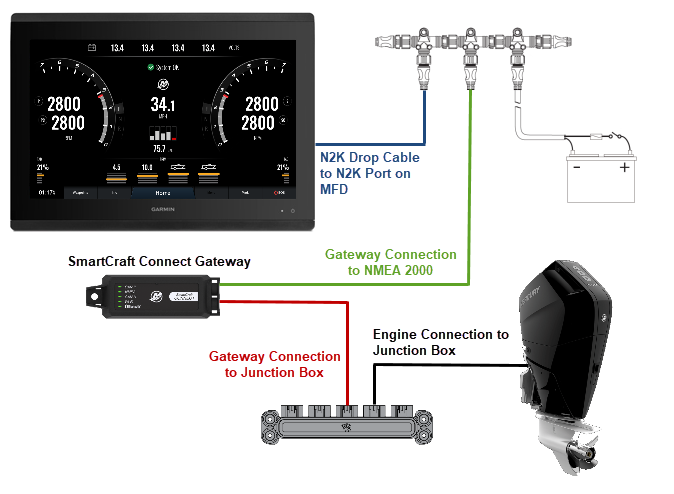
Modern marine electronics can also integrate engine information into compatible multifunction displays. For example, Mercury SmartCraft Connect can provide compatible Garmin displays with engine data such as RPM, speed, fuel flow, temperature, and trim.
For some commercial engines, diagnostic tooling is a dedicated service system rather than something the average boat owner operates directly.
Cummins’ marine training materials, for example, explicitly reference the use of INSITE diagnostic tooling and electronic engine-management systems in marine service training.
That is a useful reminder that “diagnostics included” and “everything needed for a complete diagnostic service capability is included” are not necessarily the same statement.
Marine Power System With Integrated Diagnostics vs. Basic Marine Engine
The comparison should not be framed as “modern is always better.”
A mechanically controlled engine can still be the correct solution for certain vessels and applications.
The advantage of an electronically integrated system is the additional information and control it can provide where supported.
| Feature | Basic/Traditional System | Integrated Electronic System |
|---|---|---|
| Engine monitoring | Varies | Typically more extensive |
| Fault information | Varies | Electronic fault information where supported |
| Operating data | May be limited | Often more extensive |
| Troubleshooting | More inspection-focused | Diagnostic-assisted |
| Electronic controls | May be limited | Often integrated |
| Vessel integration | Depends on system | Can be extensive |
| Service requirements | Mechanical + system-specific | Mechanical + electronic |
The key phrase is:
where supported.
Never assume every electronic marine engine has identical diagnostic capabilities.
New vs. Used Marine Power Systems With Diagnostics
A used marine engine isn’t automatically a bad purchase.
A new engine isn’t automatically the best purchase either.
The application determines what makes sense.
Why Buy New?
New equipment may offer:
- Current technology
- Known configuration
- Manufacturer warranty where applicable
- New components
- Current diagnostic architecture
- Lower uncertainty regarding previous use
For a commercial operator, the cost difference may be justified if downtime is expensive.
When Used Equipment Makes Sense
Used equipment can be attractive when:
- The vessel is older.
- A matching engine is difficult to source.
- The project has a limited budget.
- The engine is being used for a less demanding application.
- A documented engine becomes available at a reasonable price.
The important word is documented.
What to Check Before Buying Used
Request:
- Exact model
- Serial number
- Engine hours
- Maintenance records
- Previous application
- Reason for removal
- Diagnostic history where available
- Fault history where available
- Compression or condition information where appropriate
- Photographs
- Corrosion condition
- Oil condition
- Cooling-system condition
- Included accessories
If the seller cannot clearly explain what you’re buying, slow down before sending payment.
How Much Does a Marine Power System With Integrated Diagnostics Cost?
There is no responsible single price for every marine power system with integrated diagnostics for sale.
Pricing can vary according to:
- Horsepower
- Manufacturer
- Engine type
- Displacement
- New or used condition
- Diagnostic architecture
- Controls
- Displays
- Wiring
- Gearbox
- Accessories
- Availability
- Shipping destination
A useful quotation should therefore explain what is included.
What Should You Ask Is Included?
Check whether the quoted package includes:
- Engine
- ECU/ECM
- Wiring harness
- Controls
- Gauges
- Display
- Diagnostic components
- Gearbox
- Mounting hardware
- Propeller
- Accessories
This is especially important when comparing prices from different suppliers.
A $20,000 engine package and a $22,000 engine package are not necessarily different in value if the more expensive quotation includes equipment that the cheaper quotation excludes.
Calculate the Total Project Cost
For repowering, think in terms of:
Engine + Controls + Diagnostics + Gearbox + Propeller + Installation + Shipping + Accessories
That is your real project cost.
Shipping a Marine Power System for Sale
A marine engine can be expensive to transport because of its weight, dimensions, and packaging requirements.
Shipping should therefore be considered before finalizing the purchase.
How Marine Engines Are Prepared for Shipping
Depending on the equipment, preparation may involve:
- Palletizing
- Crating
- Securing the engine
- Protecting exposed components
- Weather protection
- Freight documentation
- Dimensional measurement
- Weight verification
The exact method depends on the engine and carrier.
What Determines Marine Engine Shipping Costs?
Common factors include:
- Engine weight
- Package dimensions
- Origin
- Destination
- Freight method
- Packaging
- Port or terminal requirements
- Final delivery location
If you’re buying internationally, also consider customs and destination-country requirements.
International Marine Engine Purchases
An international purchase should be evaluated using the complete landed-cost picture:
Equipment + Packaging + Freight + Customs/Import Costs + Local Delivery + Installation
Import duties and taxes vary by country.
Don’t accept a seller’s generic statement that “shipping is easy” as a substitute for confirming the actual requirements for your destination.
Common Mistakes Buyers Make
Buying Only on Horsepower
Horsepower is important.
It isn’t the whole decision.
Assuming All Diagnostic Systems Are Equivalent
They’re not.
Compare the actual capabilities of the exact model.
Ignoring the Gearbox
A marine engine and gearbox need to be evaluated together for inboard applications.
Forgetting the Propeller
The propeller is part of the propulsion system.
Ignoring Engine Weight
Especially during repowering, weight matters.
Assuming Fault Codes Tell the Whole Story
They don’t.
Diagnostic information needs interpretation.
Buying the Cheapest Engine
The cheapest engine can become the most expensive project if it requires extensive modifications or causes prolonged downtime.
Not Verifying Fitment
This is one of the easiest mistakes to prevent.
Before ordering, verify:
Model + Horsepower + RPM + Weight + Dimensions + Controls + Gearbox + Propeller + Diagnostics
Questions to Ask a Marine Engine Vendor Before You Buy
Before purchasing a marine power system with integrated diagnostics, ask:
- What is the exact engine model?
- What is the serial number?
- What is the horsepower?
- What is the rated RPM?
- What is the engine weight?
- What are the dimensions?
- What diagnostic system is installed?
- What parameters can it monitor?
- What fault information is available?
- What diagnostic equipment is required?
- Is the ECU/ECM included?
- Are the wiring harnesses included?
- Are gauges or displays included?
- What controls are required?
- What gearbox is compatible?
- What gear ratio is appropriate?
- What propeller configuration is recommended?
- Is the engine new, used, rebuilt, or remanufactured?
- If used, what are the engine hours?
- Is maintenance history available?
- What accessories are included?
- What warranty applies?
- What is the shipping fee?
- What shipping method will be used?
- What is the estimated dispatch time?
- What is the estimated transit time?
- Are there destination-specific import requirements?
A professional supplier should be comfortable discussing these questions.
Why Buy Your Marine Power System From Power Engine Market?
The value of a marine equipment supplier should not be measured only by how many products appear in its catalog.
For a serious propulsion purchase, the quality of the information surrounding the product matters.
Power Engine Market can help buyers research marine engines and related propulsion equipment with the goal of identifying a system appropriate for the vessel and application.
The most useful starting point is the information you provide.
If you’re requesting a quotation, send:
- Vessel make and model
- Current engine model
- Current horsepower
- Engine identification plate
- Engine photographs
- Gearbox photographs
- Propeller information
- Intended application
- Destination
- Required timeframe
That allows the purchasing conversation to move away from:
“How much is this engine?”
and toward:
“Is this engine actually compatible with my vessel?”
That second question is far more valuable.
Frequently Asked Questions
What is a marine power system with integrated diagnostics?
It is a marine propulsion system that incorporates electronic monitoring and diagnostic capabilities into the engine or associated control architecture. The exact functions vary by manufacturer, model, and configuration.
What can marine engine diagnostics monitor?
Depending on the system, monitoring may include engine RPM, temperatures, oil pressure, fuel information, operating hours, warnings, engine load, and fault information. The exact parameters must be verified against the manufacturer’s specifications for the specific engine.
Are integrated diagnostics worth it?
They can be particularly valuable when the vessel operates frequently or commercially because additional operating and fault information can assist maintenance and troubleshooting.
The value depends on the vessel and the actual capabilities of the system.
Can diagnostics prevent engine failure?
Not by themselves.
Diagnostics can provide information that helps identify certain abnormal conditions earlier, but they cannot guarantee that an engine will not experience mechanical or electronic failure.
Do all marine engines have integrated diagnostics?
No.
Diagnostic and monitoring capabilities vary significantly among manufacturers, engine generations, and models.
Can an older marine engine be upgraded with diagnostics?
Sometimes.
Compatibility depends on the engine’s electronic architecture and the monitoring equipment available for that specific model.
A mechanically controlled engine may not support the same diagnostic functions as a modern electronically controlled engine.
Does integrated diagnostics make an engine more expensive?
It can.
Electronic control modules, displays, sensors, wiring, diagnostic interfaces, and vessel integration can all affect the overall price.
Can I buy a marine power system internationally?
Yes, but the complete transaction should account for freight, packaging, customs, import requirements, taxes, local delivery, and installation.
What should I send when requesting a marine engine quotation?
Send the vessel model, current engine model, horsepower, photographs, engine identification plate, gearbox information, propeller information, intended application, destination, and required timeframe.
The more accurate the information, the better the supplier can evaluate compatibility.
Final Verdict: How to Choose the Right Marine Power System in 2026
If you’re searching for a marine power system with integrated diagnostics for sale, don’t let the phrase “integrated diagnostics” make the buying decision for you.
Start with the vessel.
Then evaluate the engine.
Then evaluate the electronic system.
Then evaluate the drivetrain.
Then evaluate the complete project cost.
The decision should follow this chain:
Vessel → Engine → ECU/ECM → Diagnostics → Controls → Gearbox → Shaft → Propeller → Installation → Shipping
That is how you turn a marine engine purchase into a properly evaluated propulsion project.
Modern electronic systems can provide valuable operating information. Manufacturers such as Cummins, Mercury, Yamaha, and Volvo Penta document different forms of engine monitoring, electronic controls, diagnostics, and vessel integration across their product families.
But technology doesn’t eliminate the fundamentals.
The engine still needs to fit.
The horsepower still needs to be appropriate.
The RPM still needs to work with the drivetrain.
The gearbox still needs to be compatible.
The propeller still needs to be evaluated.
The diagnostic system still needs to be understood.
And the total cost still needs to make financial sense.
That’s the difference between simply buying a marine engine and buying the right marine power system.
If you’re looking for a marine engine with integrated diagnostic system for sale, a marine diesel engine with integrated diagnostics, a commercial propulsion engine, or a complete marine power package, prepare your vessel and existing-engine information before requesting a quotation.
And when comparing suppliers, don’t ask only:
“What’s your price?”
Ask:
“What exactly am I getting, will it fit my vessel, what diagnostic capability does it have, what additional components do I need, and what will it cost to put the complete system into service?”
Those questions lead to better purchases.
For Power Engine Market, that is the standard worth building around: match the equipment to the application, verify the specifications, be clear about what is included, and never promise compatibility until the actual vessel and engine configuration have been checked.
Next Post: Marine Engine With Fast Start EFI Technology for Sale: Best Models to Buy


