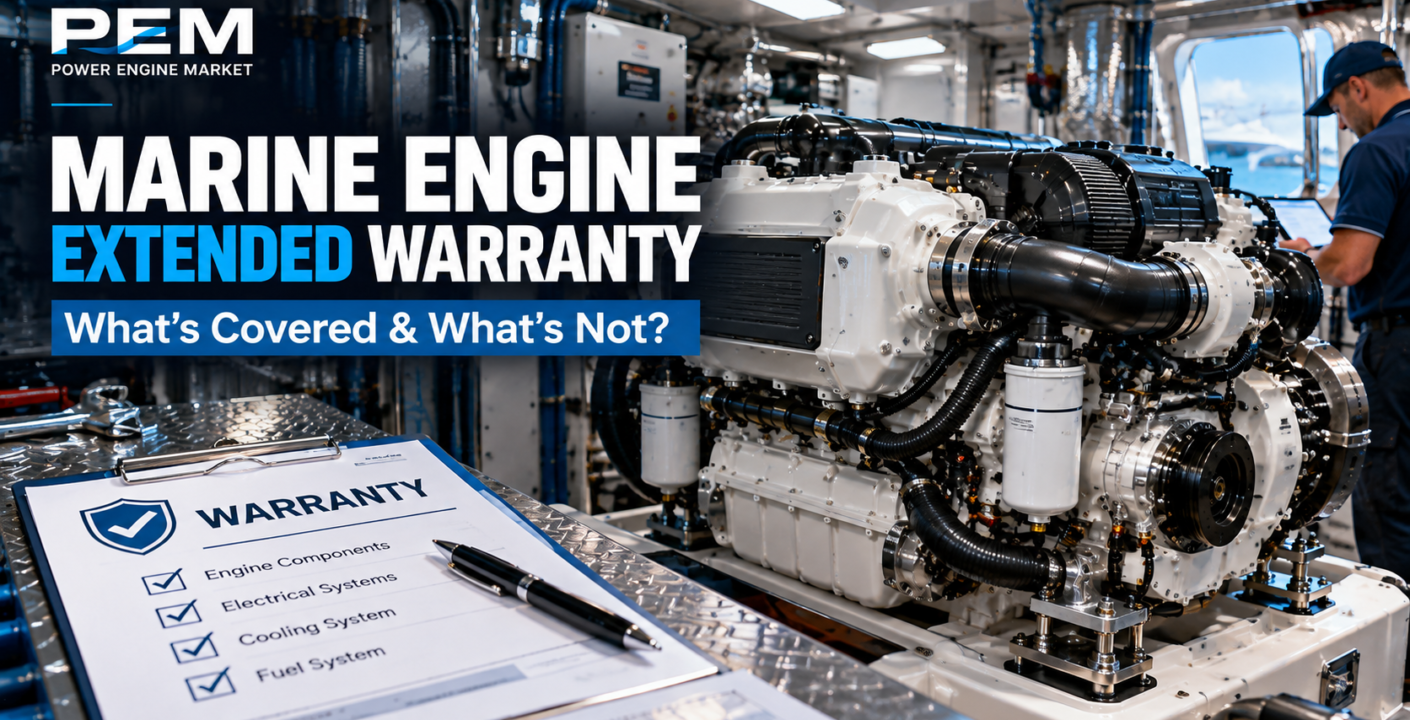
Buying a marine engine is a major decision. Whether you’re repowering a fishing boat, replacing an aging diesel engine, upgrading a workboat, or purchasing a used marine engine, the price of the engine is only one part of the equation.
There is another question that deserves serious attention:
What happens if something goes wrong after the engine is installed?
That’s where warranty protection becomes important.
When customers contact Power Engine Market about a marine engine, they often begin with the same questions: What engine do I need? How much horsepower should it have? Is it available? How much will shipping cost?
Those are important questions. But once the right engine has been identified, warranty coverage deserves the same level of attention.
A marine engine extended warranty sale isn’t simply about adding another line to an invoice. The real value comes from understanding exactly what the warranty covers, what it excludes, how long it lasts, what the owner must do to maintain eligibility, and how a claim is handled.
That’s especially important with marine equipment because operating conditions vary considerably. A recreational boat, commercial fishing vessel, charter boat, and offshore workboat may place very different demands on an engine.
At Power Engine Market, we believe the safest approach is straightforward: don’t assume coverage. Verify it.
This guide explains what buyers should look for when considering a marine engine extended warranty for sale, including coverage, exclusions, used-engine considerations, saltwater operation, commercial applications, documentation, and the questions worth asking before purchasing.
What Is a Marine Engine Extended Warranty?
A marine engine extended warranty is additional protection that may extend beyond an original manufacturer or seller warranty, depending on the specific agreement.
The important phrase is “depending on the specific agreement.”
There is no single warranty structure that applies to every marine engine.
Coverage can differ according to:
- Engine manufacturer
- Engine model
- New or used condition
- Engine age
- Operating hours
- Intended application
- Warranty provider
- Geographic location
- Coverage period
- Specific contract terms
A warranty may identify particular mechanical, electrical, or electronic components that are covered while excluding others.
It may also establish requirements concerning maintenance, installation, servicing, documentation, and claim authorization.
That is why experienced buyers don’t stop at the statement, “This engine comes with a warranty.”
They ask:
What warranty? What does it cover? What doesn’t it cover? How long does it last? And what do I have to do to keep it valid?
Standard Marine Engine Warranty vs. Extended Warranty
A standard warranty generally provides coverage for a defined period or operating limit under specified conditions.
An extended warranty may provide additional protection beyond that original period if the engine and buyer meet the applicable eligibility requirements.
The exact arrangement varies.
For example, an agreement could specify:
- A particular coverage period
- A maximum number of operating hours
- Certain covered components
- Specific exclusions
- Labor limitations
- Deductibles
- Maintenance requirements
- Approved repair procedures
- Claim authorization requirements
This is why the actual warranty documentation matters more than a general sales description.
A professional seller should be willing to help the buyer understand what documentation needs to be reviewed before the warranty is treated as part of the purchase decision.
A warranty may identify particular mechanical, electrical, or electronic components that are covered while excluding others, so buyers should review the manufacturer warranty terms applicable to their engine.
Why Consider an Extended Warranty for a Marine Engine?
Marine engines operate in demanding environments, and major repairs can involve more than the failed component itself.
Suppose a qualifying mechanical problem occurs.
The potential financial considerations could include:
- Replacement parts
- Technician labor
- Diagnostic work
- Engine removal
- Transportation
- Reinstallation
- Related repairs
- Vessel downtime
The actual costs depend on the failure, engine, vessel, location, and warranty terms.
An extended warranty does not automatically eliminate those costs.
What it can potentially do is provide defined protection for covered failures under the conditions established by the warranty agreement.
That distinction is important.
The Cost of Downtime
For a recreational boat owner, an engine problem can disrupt a planned trip or boating season.
For a commercial operator, the consequences can be more significant.
A fishing vessel, charter boat, workboat, or other commercial vessel may depend on the engine to generate revenue.
That means the buyer should consider more than the warranty price.
The relevant question becomes:
What protection is actually being provided relative to the value and intended use of the engine?
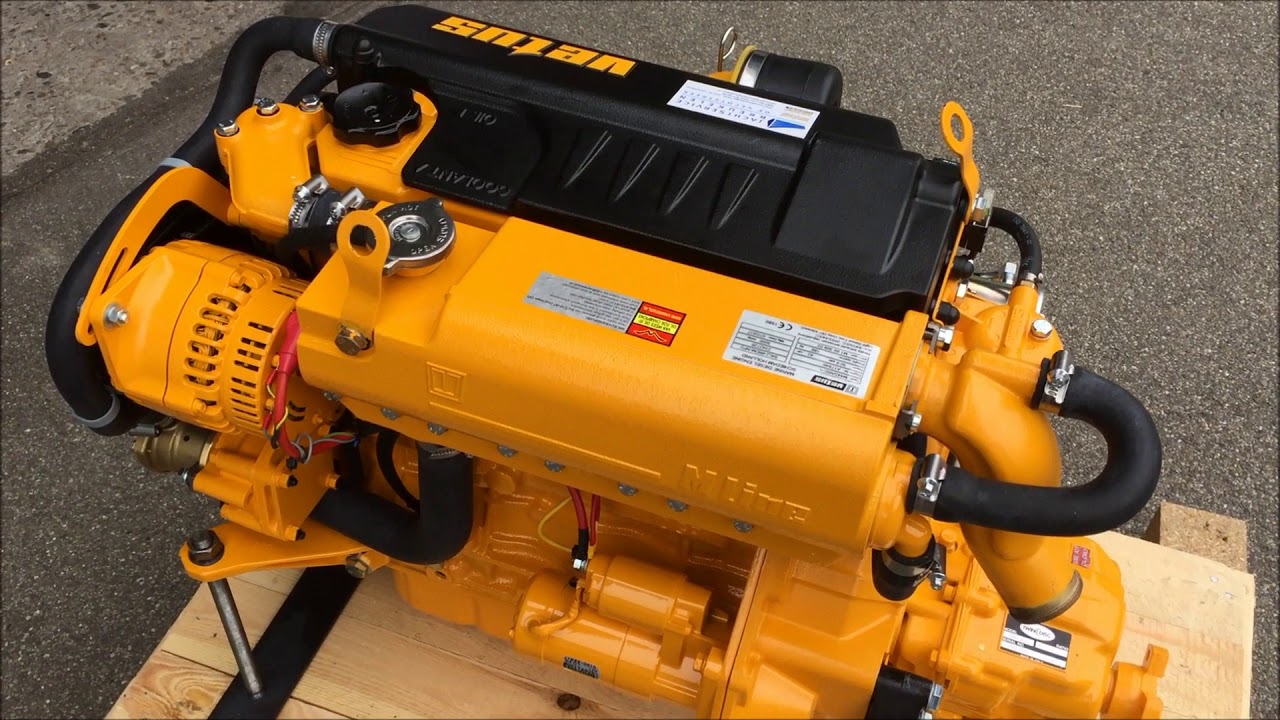
What Does a Marine Engine Extended Warranty Usually Cover?
There is no universal list of covered components.
The warranty agreement controls.
However, warranty programs can provide coverage for defined engine components or systems depending on the specific plan.
When evaluating a marine diesel engine warranty, start by requesting the written list of covered components.
Major Internal Engine Components
Depending on the agreement, potentially covered components may include certain major internal engine parts such as:
- Engine block
- Cylinder head
- Crankshaft
- Camshaft
- Pistons
- Connecting rods
- Internal bearings
But don’t interpret this list as a promise that every warranty covers all of these components.
The correct approach is to compare the actual engine and the actual warranty document.
If you’re spending significant money on a marine engine, this is one area where being specific pays off.
Fuel-System Components
Some warranty programs may cover specified fuel-system components.
Depending on the agreement, this could involve components associated with:
- Fuel injection
- Fuel delivery
- Fuel pumps
- Injectors
However, the cause of a failure can matter.
For example, a mechanical component failure and damage associated with contaminated fuel may be treated differently under a warranty.
This is why buyers should review both covered components and exclusions.
Cooling-System Components
Marine cooling systems deserve particular attention because the cooling arrangement is an important part of engine operation.
Depending on the warranty, certain cooling-system components may be covered.
Potential areas can include:
- Water pumps
- Thermostatic components
- Cooling-system components
- Heat-exchanger-related components
But again, the warranty’s language determines coverage.
Maintenance neglect, contamination, corrosion, blockage, or other conditions may be treated differently from a covered mechanical failure.
Electrical and Electronic Components
Modern marine engines can incorporate electronic controls, sensors, modules, and other electrical components.
Depending on the warranty program, coverage may address specified electrical or electronic components.
Potential areas can include:
- Sensors
- Control modules
- Starting components
- Charging components
However, “engine warranty” should not automatically be interpreted as “everything connected to the engine is covered.”
Ask for the component list.
What a Marine Engine Extended Warranty May Not Cover
Understanding exclusions is just as important as understanding coverage.
In practice, many warranty questions arise because the buyer and warranty provider have different interpretations of what constitutes a covered failure.
Reading the exclusions before purchase reduces that uncertainty.
Normal Wear and Routine Maintenance
Routine maintenance is generally different from a covered mechanical failure.
Potential maintenance items include:
- Engine oil
- Filters
- Belts
- Fluids
- Routine adjustments
- Consumable components
The exact treatment depends on the applicable warranty.
The important principle is simple:
A warranty is not a replacement for proper maintenance.
If the manufacturer specifies maintenance procedures or intervals, the owner should understand those requirements before operating the engine.
Corrosion and Saltwater Damage
Saltwater operation deserves special attention when evaluating marine engine warranty coverage.
Marine engines are designed for marine applications, but that does not mean every form of corrosion or saltwater-related damage is automatically covered.
Potential concerns include:
- Corrosion
- Electrolysis
- Galvanic damage
- Corroded electrical connections
- Cooling-system corrosion
- Exhaust-system corrosion
- Neglected anodes
- Improper flushing or maintenance
If your vessel operates in saltwater, ask specifically how the warranty treats corrosion-related failures.
Don’t rely on assumptions.
Improper Installation
Installation is another area buyers should take seriously.
An engine can be mechanically sound when it leaves the seller and still experience problems if it is installed incorrectly.
Potential installation issues can involve:
- Incorrect engine mounting
- Improper alignment
- Incorrect cooling connections
- Incorrect exhaust configuration
- Improper electrical connections
- Incorrect controls
- Incorrect drivetrain configuration
This is particularly important during a repower.
A replacement engine should not be selected based on horsepower alone.
The installation must be considered as a complete system.
Improper Application or Overloading
A marine engine is selected for a particular application.
Warranty agreements may contain conditions concerning:
- Engine loading
- Operating conditions
- Commercial use
- Racing
- Modifications
- Intended application
If the engine will be used commercially or under demanding operating conditions, disclose that information before purchasing the warranty.
Accurate information at the beginning is much better than discovering an application restriction when making a claim.
New vs. Used Marine Engine Warranty Coverage
The warranty conversation changes when you’re buying a used engine.
A used marine engine can be an attractive option, but buyers need more information before assuming that warranty coverage is available.
What to Verify on a New Marine Engine
For a new engine, ask about:
- Warranty start date
- Coverage duration
- Registration requirements
- Approved applications
- Maintenance requirements
- Authorized service requirements
- Commercial-use conditions
- Geographic limitations
Don’t assume the warranty terms are identical for every market or application.
What to Verify on a Used Marine Engine
When considering an extended warranty for used marine engine protection, gather as much information as possible.
Start with:
- Manufacturer
- Model
- Serial number
- Operating hours
- Previous application
- Maintenance history
- Repair history
- Current condition
- Corrosion exposure
- Existing warranty
- Warranty transferability
The engine serial number is particularly useful because it identifies the individual engine rather than simply the model family.
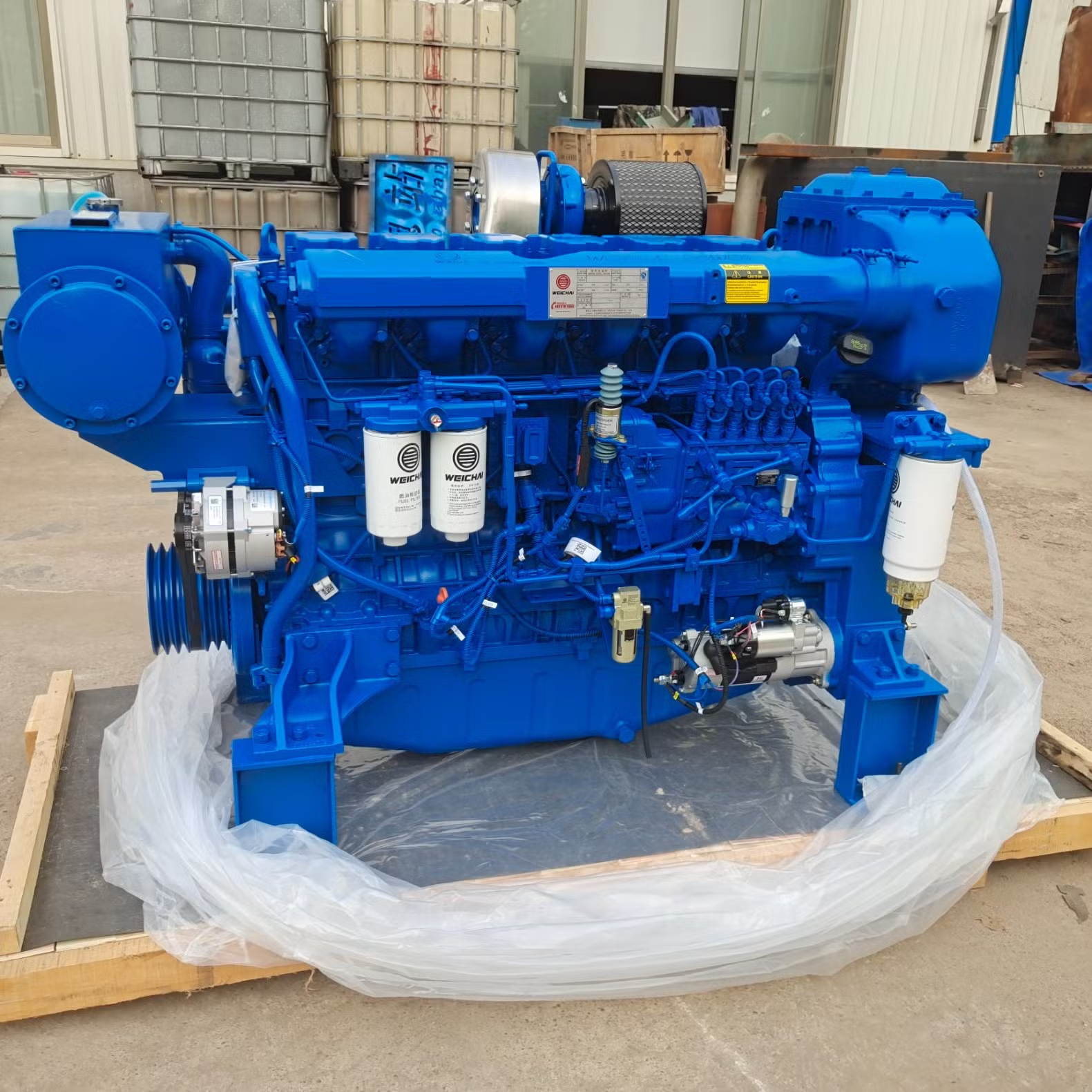
For used equipment, photographs of the actual engine are also valuable.
A generic manufacturer’s photograph can show what a model looks like.
It cannot tell you what condition the specific used engine is in.
Can a Used Marine Engine Receive Extended Warranty Coverage?
It may be possible, but eligibility depends on the particular warranty program.
Potential factors include:
- Engine age
- Operating hours
- Model
- Condition
- Previous use
- Inspection requirements
- Existing warranty status
- Intended application
Therefore, if you’re searching for a used marine engine with warranty, verify eligibility before assuming an extended warranty can be added.
Marine Engine Warranty vs. Extended Warranty
The distinction is straightforward.
| Factor | Standard Warranty | Extended Warranty |
|---|---|---|
| Coverage period | Defined by original terms | Additional period if offered |
| Covered components | Contract-specific | Contract-specific |
| Eligibility | Depends on engine/application | May have additional requirements |
| Labor | Depends on terms | Depends on terms |
| Transferability | Depends on terms | Depends on terms |
| Maintenance requirements | May apply | May apply |
| Exclusions | Defined by agreement | Defined by agreement |
The important takeaway is that neither label tells the entire story.
The actual agreement does.
10 Questions to Ask Before Buying a Marine Engine Extended Warranty
If you’re evaluating a marine engine extended warranty sale, these questions should be on your checklist.
1. What Exactly Is Covered?
Request the written covered-component list.
Don’t rely on “major components” as a complete answer.
2. What Is Excluded?
Look specifically for exclusions involving:
- Wear
- Corrosion
- Maintenance
- Improper installation
- Fuel contamination
- Modifications
- Commercial operation
3. How Long Does the Coverage Last?
Determine whether the warranty is limited by:
- Calendar time
- Engine hours
- Both
4. When Does Coverage Begin?
Find out whether coverage starts at:
- Purchase
- Installation
- A specified date
- Expiration of existing coverage
5. Is Labor Included?
This is a major question.
Component coverage and labor coverage are not necessarily the same thing.
6. Are Diagnostic Costs Covered?
Modern engines may require specialized diagnostic equipment.
Find out whether those costs are included.
7. Are Engine Removal and Reinstallation Covered?
For some vessels, accessing the engine can be a major project.
Ask whether those costs are included or excluded.
8. Where Can Repairs Be Performed?
Some warranty programs may have specific service-facility requirements.
Know the process before a breakdown occurs.
9. Is the Warranty Transferable?
If you sell the boat during the coverage period, transferability could become important.
10. What Maintenance Documentation Is Required?
Ask what records you should keep and whether specific service intervals or procedures are required.
How Saltwater Operation Can Affect Warranty Considerations
Saltwater isn’t automatically a reason to reject an engine or warranty.
But it is a reason to be particularly disciplined about maintenance.
For maintenance intervals and procedures, owners should follow the applicable manufacturer maintenance recommendations.
Pay Attention to Corrosion Protection
Depending on the engine and installation, owners may need to monitor:
- Anodes
- Cooling systems
- Electrical connections
- Exhaust components
- Flushing procedures
- Storage procedures
Because maintenance requirements vary by engine and installation, owners should follow the applicable marine engine maintenance procedures provided by the manufacturer.
Follow the applicable manufacturer’s recommendations rather than relying on generic maintenance advice.
Keep Detailed Maintenance Records
One of the simplest things an owner can do is maintain documentation.
Keep records of:
- Oil changes
- Filter changes
- Cooling-system service
- Inspections
- Repairs
- Parts replaced
- Major maintenance
These records don’t guarantee that a future claim will be approved.
But they provide useful evidence of how the engine was maintained.
What Makes a Marine Engine Warranty Worth Taking Seriously?
A professional warranty should be understandable.
The buyer should not need to guess what is covered.
Clear Written Terms
Look for clear information about:
- Covered components
- Exclusions
- Duration
- Claim procedures
- Maintenance requirements
Defined Responsibilities
The warranty should make it clear how responsibilities are divided for:
- Parts
- Labor
- Diagnostics
- Transportation
- Repair authorization
A Defined Claims Process
Ask:
Who do I contact?
What documentation is required?
Does repair work require prior approval?
Can the repair be performed locally?
What happens if the vessel is located far from an approved facility?
These questions aren’t being difficult.
They’re being prepared.
How Much Does a Marine Engine Extended Warranty Cost?
There isn’t one universal marine engine extended warranty cost.
Pricing can depend on:
- Engine model
- Engine value
- Horsepower
- Engine age
- Operating hours
- New or used condition
- Application
- Coverage level
- Warranty duration
- Location
For that reason, buyers shouldn’t judge an extended warranty solely by its price.
A less expensive warranty isn’t necessarily equivalent to a more expensive warranty.
Compare:
Price + coverage + exclusions + duration + claim requirements.
That gives you a much more useful picture of the protection being offered.
Marine Engine Warranty for Commercial Boats
Commercial operators should pay particular attention to warranty conditions.
A commercial engine may operate for substantially more hours than a recreational engine.
The consequences of downtime can also be different.
For a commercial operator, an engine problem could affect:
- Scheduled trips
- Fishing operations
- Charter operations
- Workboat activities
- Customer commitments
This doesn’t mean every commercial operator needs an extended warranty.
It means the warranty should be evaluated against the actual operating environment.
Verify the Duty Cycle
Tell the seller or warranty provider how the engine will be used.
Important information can include:
- Operating hours
- Vessel type
- Typical load
- Commercial application
- Coastal or offshore operation
Verify Commercial-Use Conditions
If you’re specifically looking for a marine engine warranty for commercial boats, ask whether the warranty permits your intended application.
Never assume recreational and commercial coverage are identical.
Marine Engine Warranty for Recreational Boats
Recreational owners can also benefit from carefully understanding available warranty protection.
Applications can include:
- Fishing boats
- Cruisers
- Yachts
- Center consoles
- Pleasure craft
- Coastal vessels
The right question isn’t simply whether you should buy an extended warranty.
Instead, evaluate:
- Engine value
- Coverage offered
- Warranty cost
- Exclusions
- Expected ownership period
- Intended use
- Potential repair exposure
That gives you a more rational basis for deciding whether the protection fits your situation.
How Power Engine Market Approaches Marine Engine Warranty Protection
At Power Engine Market, the starting point is the engine itself.
Before discussing warranty protection, the engine and application need to be properly identified.
For a typical marine engine inquiry, useful information includes:
- Manufacturer
- Model
- Serial number
- Horsepower
- RPM
- Operating hours
- New or used condition
- Vessel type
- Intended application
- Commercial or recreational use
- Saltwater or freshwater operation
- Delivery location
Why does that matter?
Because an engine is not selected in isolation.
A customer may know they need a 300-horsepower marine engine, but horsepower alone doesn’t establish compatibility.
The vessel, operating profile, drivetrain, installation requirements, and intended use also matter.
The same principle applies to warranty protection.
The warranty should be evaluated against the actual engine and the actual application.
What to Have Ready When Requesting a Marine Engine Warranty Quote
If you’re requesting a quotation from Power Engine Market, having accurate information ready makes the process more efficient.
Engine Information
Provide:
- Manufacturer
- Model
- Serial number
- Horsepower
- RPM
- Operating hours
- New or used condition
Vessel Information
Provide:
- Vessel make/model
- Vessel length
- Intended use
- Commercial or recreational application
- Saltwater or freshwater operation
Purchase Information
Also provide:
- Delivery location
- Desired warranty period
- Existing warranty information
- Installation plans
This information helps the seller determine what needs to be verified before a final quotation is prepared.
Don’t Forget Shipping When Comparing Total Cost
Warranty isn’t the only additional consideration.
Marine engines are heavy equipment, and shipping can represent a significant part of the overall purchase.
A proper quotation should identify, where confirmed:
- Engine price
- Shipping fee
- Shipping method
- Estimated dispatch time
- Estimated transit time
- Included equipment
- Applicable warranty terms
Shipping costs can depend on the engine’s:
- Weight
- Dimensions
- Packaging
- Pickup location
- Destination
- Freight requirements
If the actual shipping cost has not been confirmed, it should not be presented as a guaranteed figure.
That is an important part of building a transparent quotation.
Marine Engine Extended Warranty Buying Checklist
Before finalizing your purchase, work through this list:
- Engine manufacturer verified
- Exact model verified
- Serial number verified
- Engine hours confirmed
- New/used condition confirmed
- Warranty duration confirmed
- Covered components reviewed
- Exclusions reviewed
- Labor coverage confirmed
- Diagnostic coverage confirmed
- Removal/reinstallation coverage checked
- Saltwater/corrosion conditions reviewed
- Commercial-use restrictions checked
- Maintenance requirements understood
- Claim procedure understood
- Approved repair facility requirements checked
- Transferability confirmed
- Shipping fee confirmed
- Shipping method confirmed
- Dispatch estimate confirmed
- Transit estimate confirmed
- Final quotation reviewed
This checklist is intentionally practical.
The goal isn’t to make the purchase complicated. It’s to prevent important questions from being forgotten.
Frequently Asked Questions About Marine Engine Extended Warranties
What is a marine engine extended warranty?
It is additional warranty protection that may extend beyond an original warranty period, subject to the specific warranty agreement, eligibility requirements, exclusions, and conditions.
Does an extended warranty cover the entire marine engine?
Not necessarily. Coverage depends on the specific agreement and may apply only to identified components or failures.
Does an extended warranty cover saltwater corrosion?
Don’t assume that it does. Ask specifically how corrosion, electrolysis, galvanic damage, and saltwater-related failures are treated.
Can I get an extended warranty on a used marine engine?
Potentially. Eligibility depends on factors such as the engine’s age, hours, condition, model, previous use, and the requirements of the warranty provider.
Does marine engine warranty coverage include labor?
It depends on the warranty. Some agreements may include labor under specified conditions, while others may impose limitations.
Are marine engine warranties transferable?
Transferability depends on the specific warranty agreement. Confirm the requirements before assuming it can be transferred to a new owner.
How long does a marine engine extended warranty last?
The duration depends on the agreement. Coverage may be limited by calendar time, operating hours, or both.
Does commercial use affect marine engine warranty coverage?
It can. Commercial buyers should disclose the intended application and verify that the warranty permits that use.
What information do I need to request a marine engine warranty quote?
Start with the engine manufacturer, model, serial number, horsepower, hours, condition, vessel type, intended application, and delivery location.
Should I buy an extended warranty with my marine engine?
That depends on the specific engine, warranty cost, coverage, exclusions, intended use, ownership period, and your approach to unexpected repair costs.
The important thing is to compare the actual terms rather than making the decision based on the word “warranty” alone.
Final Thoughts: Look Beyond the Engine Price
A marine engine purchase is bigger than the number printed on the quotation.
The engine has to be appropriate for the vessel.
The installation has to be considered.
The operating environment matters.
Maintenance matters.
Shipping matters.
And if warranty protection is available, the warranty terms matter.
Think of the purchase as:
Engine → Fitment → Installation → Maintenance → Warranty → Shipping → Total ownership cost
If you’re searching for a marine engine extended warranty sale, don’t stop at asking, “How much is the warranty?”
Ask:
What is covered?
What is excluded?
How long does coverage last?
Is labor included?
Are diagnostics included?
What happens with corrosion?
Does commercial use qualify?
What maintenance records are required?
How does the claims process work?
And get the important answers in writing.
At Power Engine Market, the objective should always be to match the customer with the right marine engine and provide enough information for the buyer to understand the purchase before committing.
That means identifying the actual engine, confirming the application, reviewing available warranty terms, understanding shipping requirements, and avoiding assumptions about anything that has not been confirmed.
A warranty isn’t valuable simply because the word “warranty” appears on a sales page.
Its value comes from the specific protection defined in the agreement and how well that protection matches the engine, vessel, operating environment, and buyer’s needs.
If you’re looking for a marine engine extended warranty for sale, start with the engine’s model, serial number, condition, operating hours, vessel application, and delivery location.
The more accurate the information, the easier it is to evaluate the available options properly.
Because when you’re investing in a marine engine, knowing what happens after the sale can be just as important as choosing the engine itself.
Next Post: Marine Engine for Saltwater Use for Sale: Best Models to Consider in 2026


