When buyers contact us at Power Engine Market asking for a marine engine with high resale value for sale, they’re usually thinking differently than the average boat owner.
They’re not just asking:
“How much does it cost?”
They’re asking:
“How much will I recover later?”
And that question separates emotional purchases from strategic ones.
After years of working with commercial fleets, charter operators, private yacht owners, and repower projects, I can tell you this with confidence:
The right engine choice can reduce your total ownership cost by 30–50% over a five-year cycle.
Not because it’s cheaper upfront.
But because it holds value.
Why Resale Value Is a Financial Strategy — Not a Bonus
In marine markets, depreciation is predictable.
Marine diesel engines from globally supported brands often retain:
- 60–75% of value after 3 years (well-maintained units)
- 45–60% after 5 years
In contrast, unsupported or niche brands can lose:
- 50%+ within the first 2–3 years
That gap is enormous.
When selecting a marine engine with high resale value for sale, you’re essentially choosing between:
- Asset preservation
- Accelerated depreciation
Commercial operators understand this. That’s why fleet buyers prioritize liquidity and brand stability over initial discount pricing. Follow the marine industry market trends and resale data.
What Actually Creates High Resale Value in Marine Engines
Resale strength is not random.
It is driven by measurable factors.
1. Global Brand Infrastructure
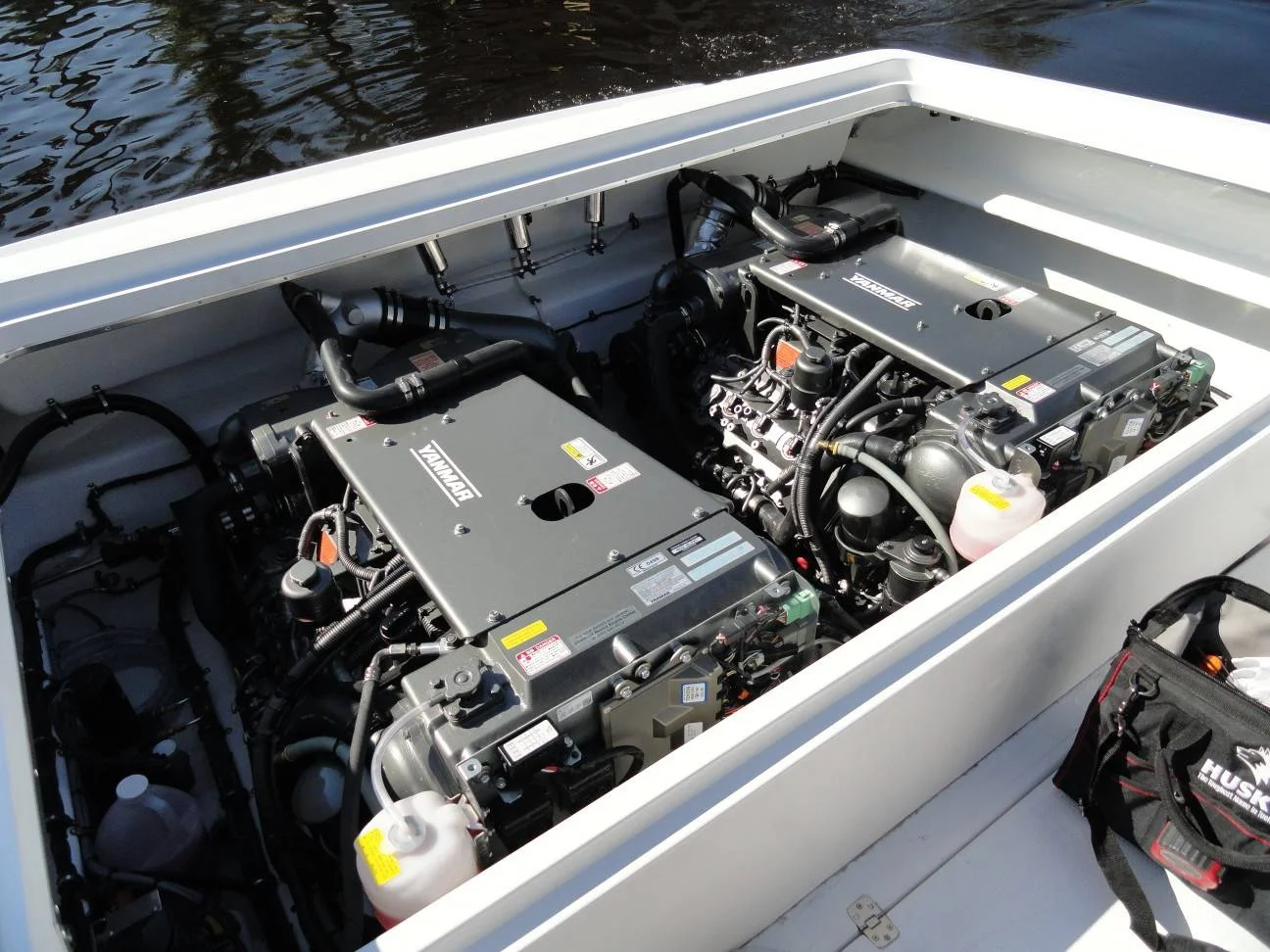
Engines from Yanmar, Volvo Penta, Cummins, Yamaha, and Mercury consistently show stronger secondary-market movement.
Why?
Because:
- Parts are widely available
- Certified technicians exist globally
- Model production lines remain active
- Buyers trust known serial formats
When someone searches for a marine engine with high resale value for sale, they are typically looking for engines backed by long-term production stability.
2. Model Liquidity in the Secondary Market
Liquidity means how quickly an engine resells.
At Power Engine Market, we monitor:
- Trade-in demand
- Auction movement
- Dealer-to-dealer transfers
- Repower project requests
Engines in the 250HP–450HP outboard range and 150HP–480HP diesel inboard range show consistent liquidity.
Liquidity equals safety.
Safety equals value retention.
3. Service Documentation & Verifiable History
Buyers pay premiums for engines with:
- Documented service intervals
- Oil analysis records
- Verified engine hours
- Confirmed serial validation
An undocumented engine can lose 10–20% of potential resale value instantly.
That’s why we verify serial numbers before listing inventory.
Trust protects value. Read about marine engine installation and safety standards.
Marine Diesel Engines: The Strongest Resale Segment
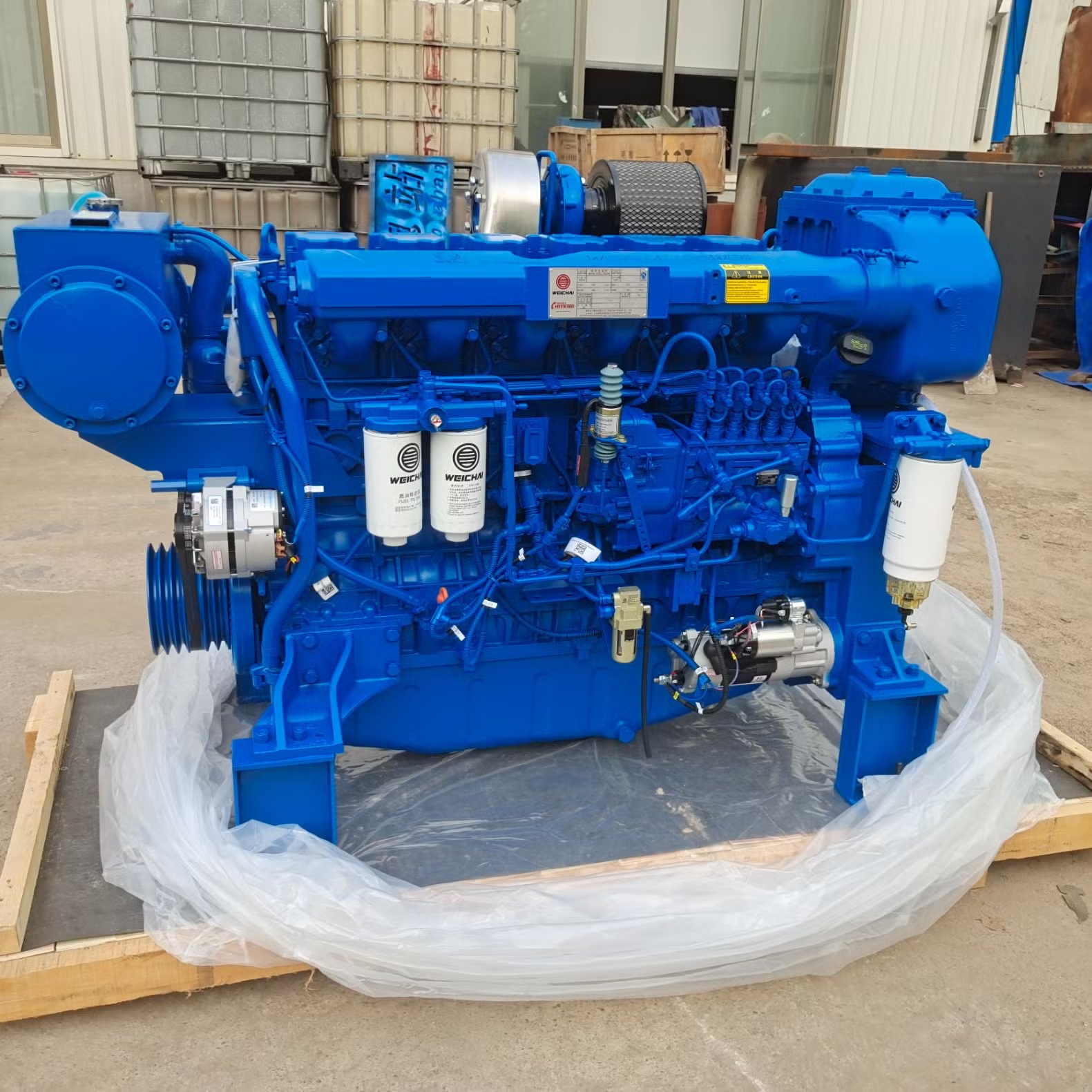
If your goal is to purchase a marine engine with high resale value for sale, marine diesel engines remain the most stable category.
Why diesel retains value:
- Longer lifecycle expectancy
- Commercial-grade durability
- Higher torque efficiency
- Broad commercial adoption
Certain 4- and 6-cylinder diesel platforms are commonly used in:
- Charter fleets
- Fishing vessels
- Long-range cruisers
- Twin-engine repower configurations
When an engine platform is widely adopted commercially, resale demand strengthens automatically.
High Horsepower Outboards: Liquidity Leaders
The offshore market moves fast.
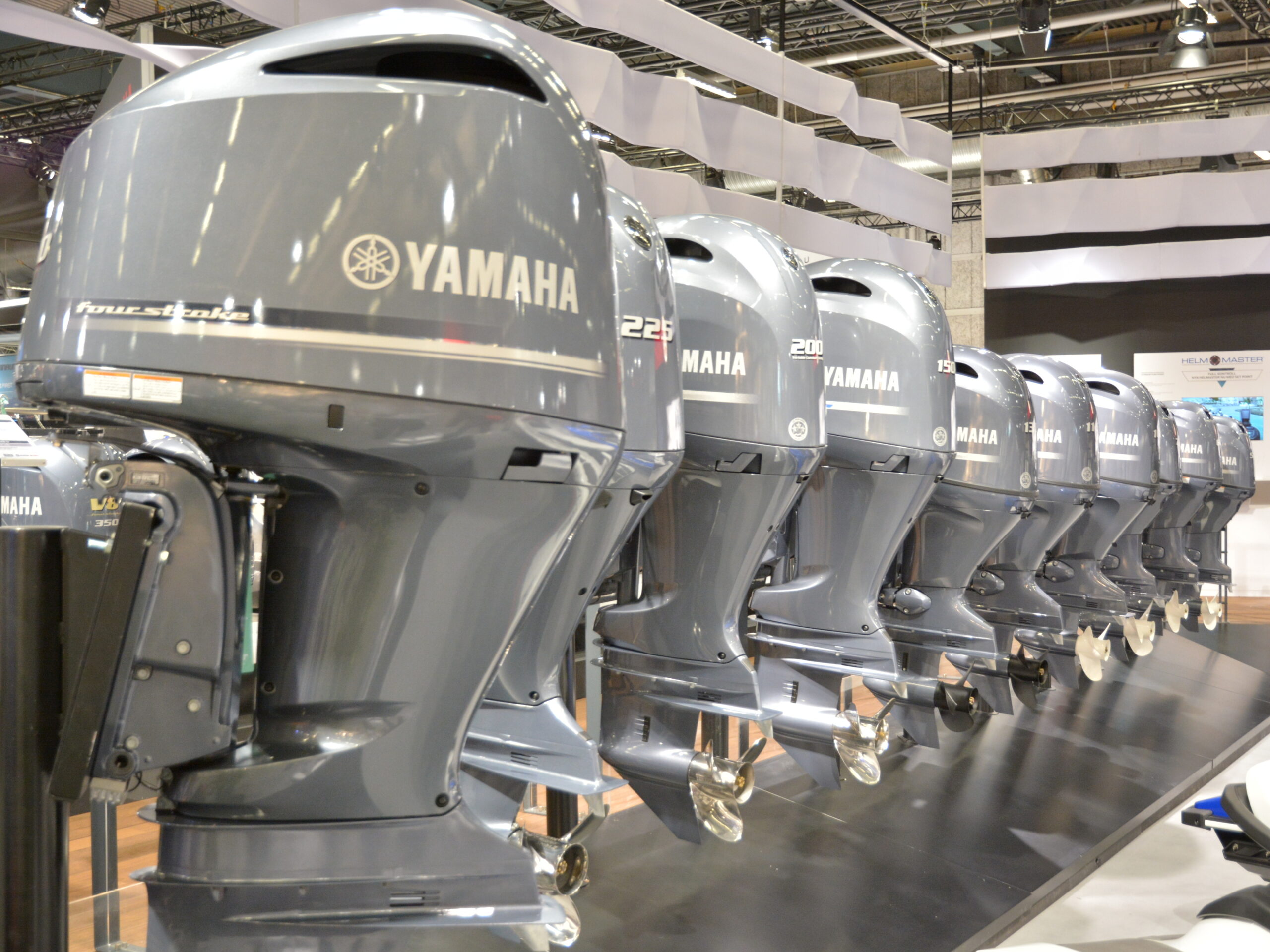
Outboards in the 300HP class often resell quicker than niche horsepower ranges because:
- Builders standardize around them
- Offshore tournament boats demand them
- Twin and triple configurations increase buyer pool
Choosing a high horsepower outboard with strong resale value for sale often provides flexibility for future upgrades.
These engines trade hands regularly because demand stays active.
Commercial Marine Generators: The Quiet Resale Performer
Commercial generator packages from recognized manufacturers also maintain resale power.
Fleet operators frequently source pre-owned generators for secondary vessels or cost-managed projects.
A commercial marine generator with high resale value for sale holds stronger pricing when:
- Hours are documented
- Model production remains active
- Service records are clear
Generators with predictable service cycles attract disciplined buyers.
What Reduces Resale Value Immediately
Experience shows consistent patterns.
Resale value drops sharply when:
- The brand loses distributor backing
- Parts become difficult to source
- Aftermarket tuning voids factory support
- Maintenance records are missing
- The engine model is discontinued
When buyers ask for a marine engine with high resale value for sale, we automatically eliminate unsupported inventory from consideration.
Risk avoidance protects long-term value.
How Power Engine Market Evaluates Resale Strength
Authority comes from process.
At Power Engine Market, we evaluate resale stability based on:
- Production continuity
- Global parts distribution
- Secondary market demand trends
- Warranty structure
- Engine hour validation
- Market adoption rates
We do not base recommendations on price alone.
We base them on lifecycle economics.
That is how commercial buyers think.
A Real-World Ownership Example
A charter operator purchased twin diesel engines through us five years ago.
He selected a globally recognized platform instead of a lesser-known discounted alternative.
His upfront cost difference was approximately 12%.
Five years later, those engines sold within three weeks at a price reflecting strong market demand.
Had he chosen the cheaper unsupported brand, his resale window would have been narrower — and slower.
Liquidity protects capital.
Long-Term Ownership Strategy
If you are searching for a marine engine with high resale value for sale, think in phases:
Phase 1 — Purchase intelligently
Phase 2 — Maintain documentation
Phase 3 — Monitor market demand cycles
Phase 4 — Sell during high-demand season
This structured approach transforms an engine from an expense into a managed asset. Read about marine diesel engine lifecycle and efficiency.
FAQs About Buying a Marine Engine With High Resale Value for Sale
Which brands retain value best?
Globally recognized brands like Yanmar, Volvo Penta, Cummins, Yamaha, and Mercury typically retain value best. Strong parts availability, active production lines, and worldwide service networks help protect resale strength.
Does diesel hold value better than gas?
In most cases, yes. Marine diesel engines often retain value longer due to durability, higher torque output, and strong demand in commercial and repower markets.
How important are engine hours?
Very important. Lower documented hours generally increase resale value. Clear service records and verified engine-hour documentation can significantly improve buyer confidence.
Does warranty transfer affect resale?
Yes. A transferable manufacturer warranty can increase resale value because it reduces risk for the next owner and strengthens buyer trust.
Are remanufactured engines good resale investments?
They can be, especially when professionally rebuilt to factory specifications and backed by warranty. A remanufactured marine engine with high resale value for sale from a recognized brand often performs better in resale markets than unsupported new alternatives.
According to data published by the National Marine Manufacturers Association, resale trends often correlate with global service availability and brand production stability.
Final Vendor Perspective
Marine engines are not disposable items.
They are capital assets operating in structured markets.
When you select a marine engine with high resale value for sale, you are:
- Reducing depreciation exposure
- Preserving liquidity
- Increasing upgrade flexibility
- Strengthening total ownership economics
At Power Engine Market, our inventory of marine diesel engines, high-horsepower outboards, and commercial marine generators is curated with resale stability in mind.
Because the smartest marine buyers don’t just buy engines.
They buy exit strategies.
And that mindset is what separates short-term purchases from long-term value.
Next Post: Best Marine Engine Deals Online This Quarter — Prices Just Dropped and Inventory Won’t Last


